
I still taste that bowl of steaming pho in Hanoi. The broth was clear but deep. The herbs were sharp and alive.
I sat on a plastic stool so low my knees nearly touched my chin.
That meal didn’t just fill me up. It rewired how I travel.
You’ve been there too (standing) in front of yet another overpriced “authentic” tour, wondering if real food is even possible past the hotel lobby.
It’s exhausting. Trying to find something true. Something local.
Something that doesn’t feel like a performance.
I’ve spent years planning trips where food comes first. Not as an afterthought. Not as a side note.
As the reason.
This isn’t about restaurants. It’s about Global Cuisine Tbfoodtravel (the) kind that pulls you into a family kitchen, a street stall at 2 a.m., a market before sunrise.
I’ll show you exactly how to build a trip around that. No fluff. No guesswork.
Just what works.
Food Doesn’t Just Feed You (It) Shows You Around
I’ve stood in front of the Eiffel Tower and felt nothing. Then I ate a croissant in a Montmartre alley at 7 a.m., still warm, butter dripping on my shirt. That’s when Paris clicked.
Food is your best tour guide. Not the brochure. Not the app.
The actual thing you put in your mouth.
A bowl of Pho tells you more about Vietnam than any history book. French colonial influence gave it the broth depth. Chinese migration shaped the noodles and herbs.
War and scarcity forced resourcefulness (charred) ginger, roasted onions, fish sauce made from scraps. It’s not just soup. It’s survival, adaptation, pride.
You can snap a photo of Angkor Wat. Or you can haggle over durian with a vendor in Phnom Penh’s Russian Market at sunrise. Which one sticks?
Monuments are static. Food is alive. It changes with season, family, mood, politics.
Sharing a meal cuts through language barriers faster than any phrasebook. I’ve nodded along to stories I didn’t understand. Rice in hand, laughter in the air, no translation needed.
This isn’t “cultural immersion” (that) word makes me roll my eyes (it’s usually code for overpriced cooking classes led by expats). It’s just people feeding each other. That’s enough.
Global Cuisine Tbfoodtravel is just a label. What matters is the woman who hands you a steaming plate and says, “Eat. You’re safe here.”
If you want to go deeper, read more about how food shapes travel (not) the other way around.
That’s the real itinerary.
A World of Flavor: Where to Eat Next
I don’t plan trips around landmarks. I plan them around meals.
Mexico City hits first. The smell of charred pineapple and chiles before you even step off the metro. Tacos al Pastor. Not the pale, sad versions you get at gas stations.
Real ones. Spit-roasted, shaved thin, with that bright red salsa and a squeeze of lime. You’ll stand shoulder-to-shoulder with locals who’ve been coming here since they were kids.
Bangkok is the same energy (just) louder, hotter, faster. Try Pad Krapow Gai from a cart that’s been in the same spot for 27 years. Crispy garlic, holy basil, fish sauce punch.
Don’t blink or you’ll miss your turn.
Tuscany? Slow down. Vineyard tours aren’t photo ops.
They’re long walks through rows of Sangiovese vines, followed by olive oil so peppery it makes your throat catch. Lima feels like the opposite kind of slow: hyper-focused. You’ll wander Mercado Surquillo at 6 a.m., watching fishermen unload ceviche-grade sea bass while vendors hand you samples of purple corn chicha.
This isn’t “farm-to-table” as a marketing tagline. It’s how people actually eat.
Hoi An teaches you to make food. Not just taste it. You’ll pick star anise and turmeric root at a riverside market, then pound it into paste with a mortar that’s older than your grandparents.
Oaxaca does the same but with mole negro. Six kinds of chiles, three types of chocolate, and zero shortcuts. These classes aren’t about perfecting technique.
They’re about understanding why a dish tastes the way it does.
Global Cuisine Tbfoodtravel isn’t a trend. It’s just how eating should be. Urgent, local, unfiltered.
You want flavor? Go where the cooks argue over salt. Not where the menu says “authentic.”
Because authenticity doesn’t live on a laminated page.
It lives in the steam rising off a wok at 2 a.m. Or the way someone hands you a still-warm arepa without asking.
Skip the food tours that end at a hotel buffet. Go where the line forms before sunrise. That’s where you’ll eat.
Your Culinary Trip Plan: No Fluff, Just Food
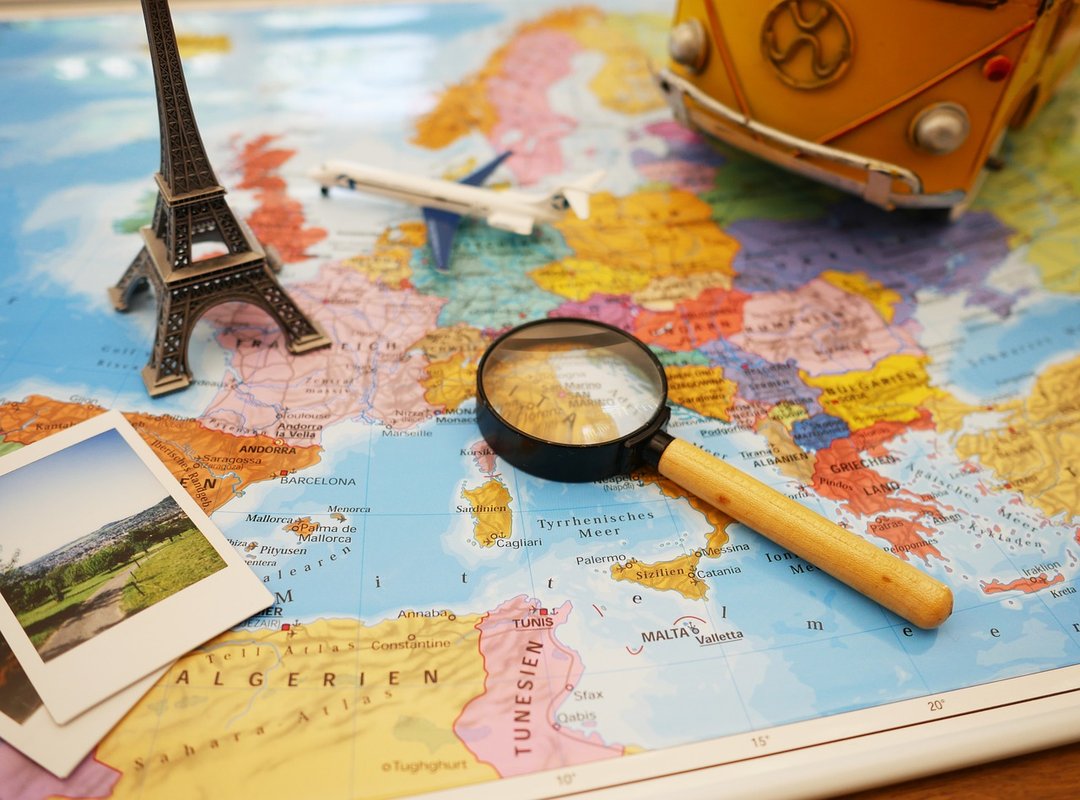
I plan food trips like I plan heists. Not the stealing kind. The getting-the-best-bun-in-Barcelona kind.
Step one: Pre-trip research. Watch Parts Unknown. Read three food blogs about your destination.
Not five. Three. Stop there.
Build a short “must-eat” list. No more than seven items. Anything longer is just wishful thinking with extra steps.
You’ll skip half of it anyway. (That’s fine.)
Step two: Book one thing before you leave. One high-demand restaurant. Or one food tour that sells out in 47 seconds.
Anchor your trip with that. Everything else floats around it.
Don’t book six things. You’re not running a catering company.
Step three: Find real food on the ground. Walk three blocks from the main square. Look for places where the menu isn’t translated.
If the owner waves you in while wiping their hands on an apron? That’s your lunch.
Step four: Leave space. Unscheduled time isn’t lazy. It’s how you get invited to a family kitchen in Oaxaca.
Or follow a vendor’s nod down an alley and end up eating tamales wrapped in banana leaves.
Spontaneity only works if you’ve left room for it.
Otherwise you’re just stressed and hungry.
The best meals I’ve had weren’t on any list.
They were the ones I didn’t plan (but) was ready for.
This is how you do Global Cuisine Tbfoodtravel right. Not by checking boxes. By showing up hungry and paying attention.
Tbfoodtravel has real-time updates on pop-up markets and underground supper clubs. I check it before every trip. You should too.
Eat first. Ask questions later. (And yes (that) includes asking “what’s in this?” before you bite.)
Food Trips Gone Wrong: 3 Mistakes I Keep Seeing
I over-schedule my first day in every new city. Every. Single.
Time.
It’s exhausting. And it kills the magic.
You think you need to hit ten spots before sunset. You don’t. You need one great meal (and) the space to find it.
Eat where locals queue, not where TripAdvisor ranks.
I once skipped a tiny Oaxacan market stall because it had no English menu. Big mistake. That stall made the best tlayudas I’ve ever had.
Fearing the unknown is boring. And it’s why your trip tastes like airport food.
Michelin stars don’t cook. People do. Usually tired, proud, and working out of a kitchen smaller than your bathroom.
I go into much more detail on this in Global Recipes.
Skip the hype. Try the hole-in-the-wall. Ask the taxi driver.
Not the concierge (where) they eat.
Global Cuisine Tbfoodtravel isn’t about chasing prestige. It’s about showing up hungry and staying open.
For more real-world dish ideas and how to actually find them, this guide helped me stop guessing.
Your Next Bite Changes Everything
I’ve been there. Stuck in a plaza full of identical pasta shops. Paying double for “authentic” pizza that tastes like cardboard.
You want the real thing. Not the brochure version.
Food is the fastest way in. It doesn’t lie. It doesn’t translate poorly.
It just is.
That’s why Global Cuisine Tbfoodtravel works. Not because it’s fancy. Because it’s direct.
A dish tells you where people live, what they value, how they gather.
No more guessing. No more settling.
Pick one destination from this article. Right now. Look up its national dish.
Read one local blog. Watch one 90-second video of someone making it at home.
That’s all it takes to shift your whole trip.
Your next great journey begins with a single bite.
Go find it.
 Ask Oscar Conradostin how they got into healthy eating and nutrition and you'll probably get a longer answer than you expected. The short version: Oscar started doing it, got genuinely hooked, and at some point realized they had accumulated enough hard-won knowledge that it would be a waste not to share it. So they started writing.
What makes Oscar worth reading is that they skips the obvious stuff. Nobody needs another surface-level take on Healthy Eating and Nutrition, Cooking Tips and Techniques, Meal Planning and Preparation. What readers actually want is the nuance — the part that only becomes clear after you've made a few mistakes and figured out why. That's the territory Oscar operates in. The writing is direct, occasionally blunt, and always built around what's actually true rather than what sounds good in an article. They has little patience for filler, which means they's pieces tend to be denser with real information than the average post on the same subject.
Oscar doesn't write to impress anyone. They writes because they has things to say that they genuinely thinks people should hear. That motivation — basic as it sounds — produces something noticeably different from content written for clicks or word count. Readers pick up on it. The comments on Oscar's work tend to reflect that.
Ask Oscar Conradostin how they got into healthy eating and nutrition and you'll probably get a longer answer than you expected. The short version: Oscar started doing it, got genuinely hooked, and at some point realized they had accumulated enough hard-won knowledge that it would be a waste not to share it. So they started writing.
What makes Oscar worth reading is that they skips the obvious stuff. Nobody needs another surface-level take on Healthy Eating and Nutrition, Cooking Tips and Techniques, Meal Planning and Preparation. What readers actually want is the nuance — the part that only becomes clear after you've made a few mistakes and figured out why. That's the territory Oscar operates in. The writing is direct, occasionally blunt, and always built around what's actually true rather than what sounds good in an article. They has little patience for filler, which means they's pieces tend to be denser with real information than the average post on the same subject.
Oscar doesn't write to impress anyone. They writes because they has things to say that they genuinely thinks people should hear. That motivation — basic as it sounds — produces something noticeably different from content written for clicks or word count. Readers pick up on it. The comments on Oscar's work tend to reflect that.