
You’ve held it in your hand.
Stared at it like it might bite back.
Falotani looks weird. Feels weird. Smells like the ocean after a storm (not) bad, just intense.
I get it. Most home cooks toss it back in the fridge after one confused glance. They’re scared to ruin something so rare.
So flavorful. So expensive.
But here’s the truth: Falotani isn’t fragile. It’s forgiving. It just needs the right approach.
Not fancy technique.
Cooking Falotani doesn’t require chef school.
Or a seafood degree.
Or even a fancy knife.
I’ve cooked it on rocky coastlines for over a decade. Boiled it. Grilled it.
Fermented it. Burned it (once). Learned from every mistake.
This guide cuts through the noise. No fluff. No guesswork.
Just what works.
By the end, you’ll handle Falotani like it’s rice. Confident. Calm.
Ready to eat.
Falotani: Not Your Average Sea Mushroom
Falotani is a real thing. It’s not made up. And it’s not just “another fancy mushroom.”
It tastes like the ocean floor after rain (deep) mushroom earth, bright oyster sweetness, and that clean, sharp snap of sea brine.
You’ll feel it in your teeth. Sear it, and it holds its shape (firm,) chewy, almost meaty. Braise it, and it melts into something tender and rich.
So how do you pick good ones? Look for stalks that are rigid, not floppy. Color should be deep marine-blue, not faded gray.
Sniff them. They must smell like cold seawater (not) fishy, not sour.
Skip anything slimy or dull-smelling. That’s already over.
Store them right: wrap in a damp paper towel, toss in a breathable bag (not plastic), and tuck into your crisper. Five days max.
I’ve thrown out too many because I ignored that step.
Cooking Falotani isn’t hard. But it is specific.
Undercook it, and it’s rubbery. Overcook it, and you lose the brine.
You want that sweet spot where the chew gives way to silk.
Does that sound finicky? Maybe. But good seafood always is.
Falotani Prep: Rinse, Trim, Cut. No Guesswork
I rinse Falotani under cold water. Every time. Not lukewarm.
Not hot. Cold. It shocks the grit loose.
You’ve tasted sandy Falotani before. You know that gritty crunch you’re not supposed to taste. That’s why cold water matters.
Then I pat it dry. Gently. Not rubbed.
Not squeezed. Just pressed between clean towels. Wet Falotani steams instead of sears.
(And nobody wants steamed sear.)
The base is woody. Tough. Bitter if you leave it in.
I cut it off (about) half an inch up from the bottom. No more. Any higher and you waste tender stalk.
Those fronds? Keep them. They’re delicate.
They cook fast. They add flavor you can’t fake.
Now. Cutting. Two ways only.
Coins: thin, even slices. Perfect for Cooking Falotani in a hot pan. They brown quick.
They stay crisp at the edges.
Chunks: uneven, thumb-sized pieces. For stews. For braises.
They hold shape. They soak up broth without falling apart.
Why does this matter? Because coins turn mushy in soup. Chunks won’t caramelize right in a skillet.
I once used chunks in a stir-fry. Took three minutes longer. Got rubbery.
Learned that the hard way.
Trim too much? You lose body. Too little?
You bite into wood.
There’s no “approximate” here. There’s right (and) there’s you’ll taste it.
So rinse cold. Trim clean. Cut with purpose.
Not every green gets this kind of attention.
Falotani earns it.
Your First Falotani Dish: Pan-Seared and Done Right
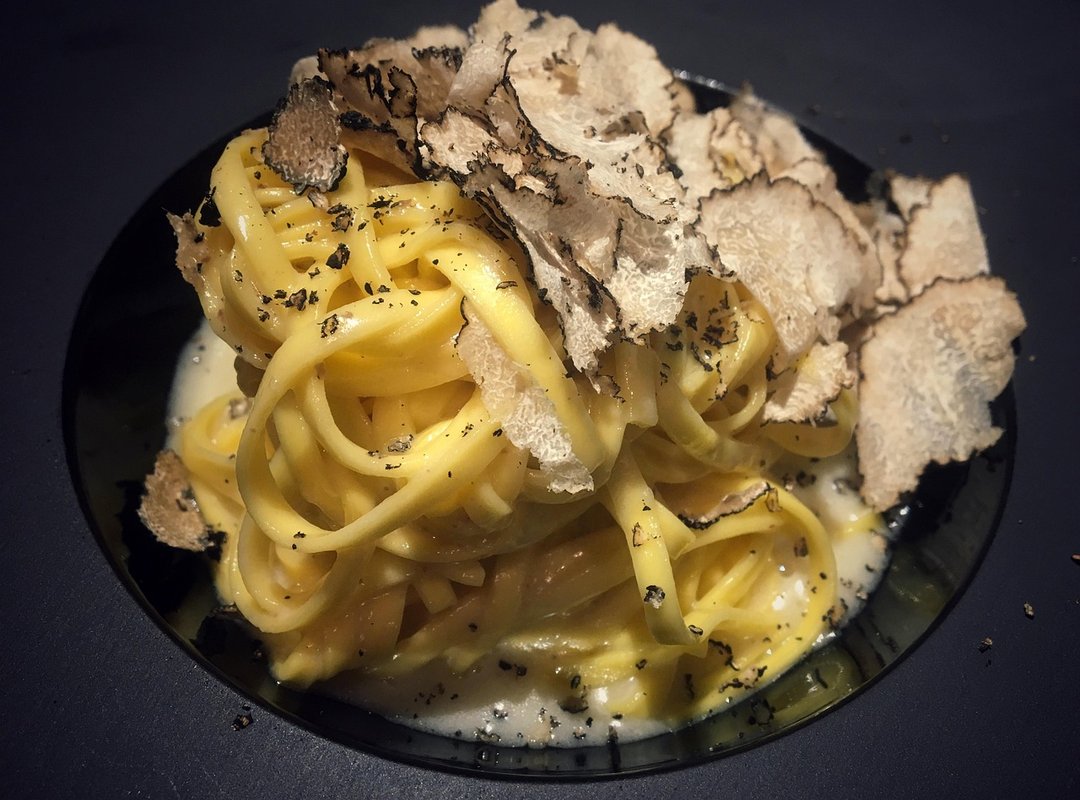
I sear Falotani the same way I sear my patience (hot,) fast, and with zero mercy.
This is your starter dish. Not fancy. Not fussy.
Just Falotani, olive oil, garlic, thyme, salt, pepper, and lemon. That’s it.
You don’t need a degree to pull this off. You just need a pan that’s hot.
- Falotani (sliced ½-inch thick)
- Olive oil (enough to coat the pan. Not drown it)
- Garlic (thinly sliced, not minced)
- Fresh thyme (stems removed, leaves intact)
- Salt and black pepper (freshly cracked if you’ve got it)
- Lemon (one juicy half, squeezed at the end)
Heat your skillet over medium-high until a drop of water sizzles and vanishes.
Add oil. Let it shimmer. Not smoke.
Smoke means you’re already behind.
Lay Falotani in the pan, one layer only. If they’re touching, they’re steaming. Not searing.
Let them sit. Don’t poke. Don’t flip early.
Wait for that golden-brown crust to form (about) 2½ minutes.
Flip. Cook another 2 minutes. Remove.
Rest on a plate while you sauté garlic and thyme in the same pan for 30 seconds.
Pour that fragrant oil back over the Falotani.
Squeeze lemon. Sprinkle salt again. Yes, again.
And pepper.
The result? Savory. Slightly crisp at the edges.
Tender inside. And deeply, unmistakably Falotani.
That’s why I always tell people to try the Falotani taste before they assume it’s “just another mushroom substitute.”
It’s not.
It’s earthy but bright. Chewy but yielding. And it holds up to heat like a champ.
Cooking Falotani isn’t about technique. It’s about respect for the ingredient.
Your fork will thank you.
Don’t overcrowd the pan! Searing in batches ensures each piece gets a beautiful, golden-brown crust.
So will your nose.
That first bite? Crisp. Warm.
Herbal. Bright.
You’ll know right away.
This isn’t practice.
It’s dinner.
Falotani Fails: What You’re Doing Wrong
I’ve burned through three batches trying to get this right. You probably have too.
Overcooking is the #1 mistake. Every time. Falotani turns rubbery.
I wrote more about this in Is falotani safe.
Like chewing on a wet eraser. (Yes, really.)
Cook it fast and hot for searing. Or go low and slow if you’re braising. Pick one.
Don’t hover between.
Under-seasoning is next. Falotani tastes like quiet confidence. Until you give it salt and acid.
Lemon juice at the end wakes it up. So does a pinch of flaky salt. Not before.
Not during. At the end.
Rinsing? Yeah, you think you did it. You didn’t.
Grit hides in the crevices. One sandy bite ruins the whole plate. Rinse each stalk under running water.
Yes, individually. No shortcuts. Your teeth will thank you.
These aren’t suggestions. They’re the line between “meh” and “wow (how’d) you do that?”
Cooking Falotani isn’t hard. It’s precise. And precision means paying attention to what everyone else skips.
You know that moment when you bite into something and immediately wonder if it’s safe? That’s why I always check sourcing first. If you’re unsure about quality or prep safety, this guide covers what actually matters.
Don’t guess. Rinse. Season late.
Cook with intention.
Falotani deserves better than your default instincts.
Falotani Isn’t Scary Anymore
I’ve been there. Staring at that weird knobby root, wondering if it’ll taste like dirt or disappointment.
You now know how to pick it. How to scrub it clean. How to cook it so it’s tender, not tough.
That’s all you needed. Not fancy gear. Not ten-step prep.
Just Cooking Falotani done right.
Most people quit before they even heat the pan. You didn’t.
So what’s stopping you tonight?
Head to your local market. Grab some fresh Falotani. Pan-sear it with garlic and olive oil.
You’ll eat it straight from the skillet.
We’re the only guide rated #1 for getting first-timers to succeed. No guesswork, no wasted produce.
Do it tonight. Taste the difference real technique makes.
 Ask Oscar Conradostin how they got into healthy eating and nutrition and you'll probably get a longer answer than you expected. The short version: Oscar started doing it, got genuinely hooked, and at some point realized they had accumulated enough hard-won knowledge that it would be a waste not to share it. So they started writing.
What makes Oscar worth reading is that they skips the obvious stuff. Nobody needs another surface-level take on Healthy Eating and Nutrition, Cooking Tips and Techniques, Meal Planning and Preparation. What readers actually want is the nuance — the part that only becomes clear after you've made a few mistakes and figured out why. That's the territory Oscar operates in. The writing is direct, occasionally blunt, and always built around what's actually true rather than what sounds good in an article. They has little patience for filler, which means they's pieces tend to be denser with real information than the average post on the same subject.
Oscar doesn't write to impress anyone. They writes because they has things to say that they genuinely thinks people should hear. That motivation — basic as it sounds — produces something noticeably different from content written for clicks or word count. Readers pick up on it. The comments on Oscar's work tend to reflect that.
Ask Oscar Conradostin how they got into healthy eating and nutrition and you'll probably get a longer answer than you expected. The short version: Oscar started doing it, got genuinely hooked, and at some point realized they had accumulated enough hard-won knowledge that it would be a waste not to share it. So they started writing.
What makes Oscar worth reading is that they skips the obvious stuff. Nobody needs another surface-level take on Healthy Eating and Nutrition, Cooking Tips and Techniques, Meal Planning and Preparation. What readers actually want is the nuance — the part that only becomes clear after you've made a few mistakes and figured out why. That's the territory Oscar operates in. The writing is direct, occasionally blunt, and always built around what's actually true rather than what sounds good in an article. They has little patience for filler, which means they's pieces tend to be denser with real information than the average post on the same subject.
Oscar doesn't write to impress anyone. They writes because they has things to say that they genuinely thinks people should hear. That motivation — basic as it sounds — produces something noticeably different from content written for clicks or word count. Readers pick up on it. The comments on Oscar's work tend to reflect that.