
You’re tired of being told what to eat by people who’ve never stood in your kitchen at 5 p.m. wondering if cereal counts as dinner.
I’ve been there. More times than I’ll admit.
Keto. Paleo. Vegan.
Intermittent fasting. It’s exhausting just naming them.
None of it stuck for me. And none of it will stick for you (not) unless it fits your life.
This isn’t another diet plan with rules that vanish after week three.
It’s Advice on Nutrition Fhthgoodfood that works when you’re busy, broke, or just plain hungry.
I’ve helped hundreds of people stop second-guessing every bite.
No gimmicks. No guilt. Just real food choices that add up over time.
You’ll learn how to eat in a way that leaves you energized. Not empty.
Not deprived. Not confused.
Just clear. Consistent. Yours.
The ‘Why’ Behind Your Food: A Simple Look at What Your Body Needs
I used to think eating was just about fullness. Or calories. Or avoiding “bad” foods.
It’s not.
Your body runs on three things: protein, carbs, and fats. Nothing more. Nothing less.
Protein is your repair crew. It rebuilds muscle after a workout. Fixes tiny tears in your gut lining.
Replaces worn-out skin cells. Not magic (just) raw material.
Carbs? They’re your brain’s favorite fuel. And your legs’.
And your heart’s. When it needs quick energy now. Not forever.
Just fast.
Fats are the slow burn. They keep your hormones steady. Protect your nerves.
Help absorb vitamins A, D, E, and K. Skipping them doesn’t make you leaner. It makes you foggy and tired.
Here’s what actually works:
- Protein: eggs, Greek yogurt, lentils, salmon
- Carbs: oats, bananas, brown rice, roasted beets
Notice none of those are protein powder or keto bars. Real food first.
Nutrient density means picking spinach over chips. Same calories? Spinach wins (iron,) magnesium, folate, fiber.
Chips give you salt, oil, and regret.
You’ve seen this before: that 200-calorie candy bar versus 200 calories of black beans and sweet potato. One leaves you hungry in an hour. The other keeps you full, focused, grounded.
That’s why Fhthgoodfood matters. It’s not another diet blog. It’s real talk about real food choices.
Without the guilt or confusion.
Advice on Nutrition Fhthgoodfood starts here: eat food that does something for you.
Not just fills space.
Eat like your body’s counting on it. Because it is.
The Plate Method: No Math, Just Your Dinner Plate
I use this every day. And I stopped counting calories two years ago.
The Plate Method is a visual trick. You don’t measure. You don’t weigh.
You just divide your plate.
Grab a standard 9- to 10-inch dinner plate. Not a salad bowl. Not a giant pasta platter.
A real dinner plate.
Fill half with non-starchy vegetables. Broccoli. Spinach.
Bell peppers. Zucchini. Asparagus.
No potatoes. No corn. No peas.
Those are starches, not veggies.
That’s it. Half the plate. Done.
Then take one-quarter of the plate. Fill it with lean protein. Grilled salmon.
Baked chicken breast. Tofu. Eggs.
Lentils. Not bacon. Not sausage.
Not fried anything.
Now the last quarter: complex carbs or starches. Quinoa. Brown rice.
Sweet potato. Whole-wheat pasta. Not white bread.
Not crackers. Not cereal.
No sauces on the side. No “just one more scoop.” The plate tells you when to stop.
Here’s what mine looked like last night: grilled salmon (protein quarter), roasted asparagus and broccoli (veggie half), and a scoop of quinoa (starch quarter). Done in 12 minutes. Tasted great.
Kept me full until morning.
I covered this topic over in Nutritional advice fhthgoodfood.
This isn’t about restriction. It’s about balance showing up on your plate (before) you even pick up a fork.
You’re not guessing portion sizes anymore. The plate does that for you.
It forces variety. It drowns out diet noise. And it works whether you’re cooking for one or six.
I’ve seen people lose weight, stabilize blood sugar, and stop feeling hungry two hours after lunch (all) by using this.
That’s why I keep coming back to it. And why I give this Advice on Nutrition Fhthgoodfood to anyone who asks how to eat better without losing their mind.
Try it tonight. Use an actual plate. Not your phone screen.
Not a notebook. A plate.
Snack Smarter, Not Harder
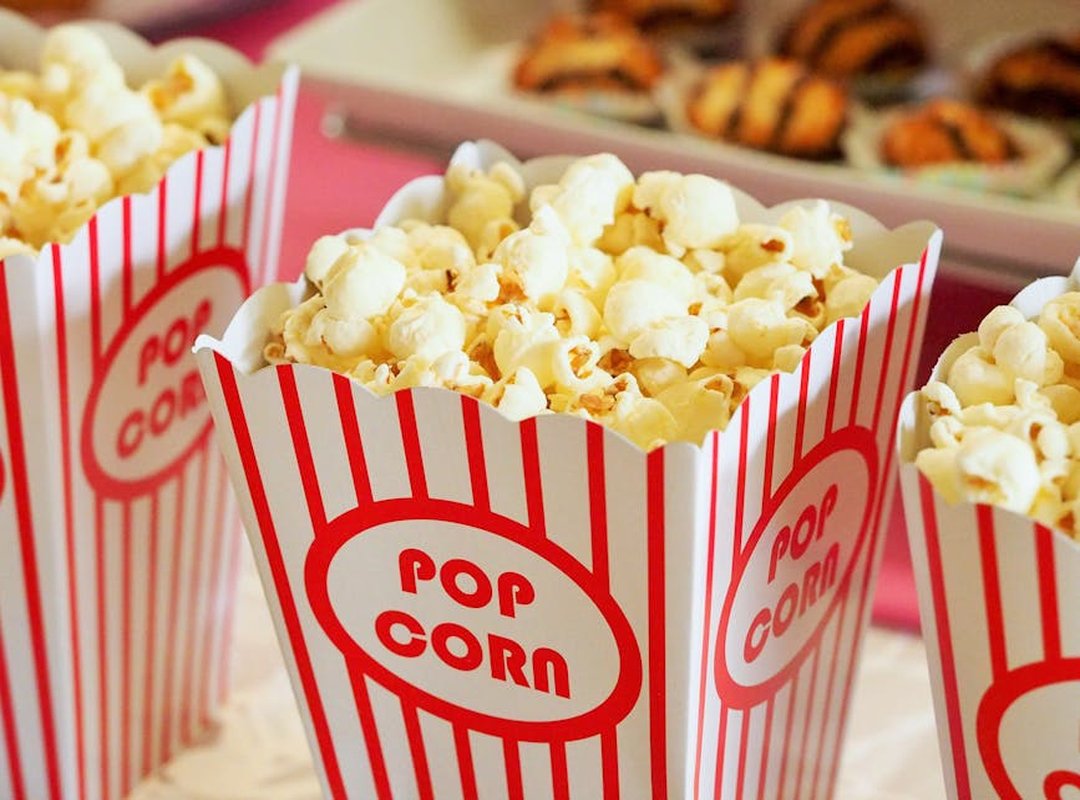
I used to eat chips at 3 p.m. every day. Then I’d wonder why my energy crashed and my jeans felt tight.
That’s not snacking. That’s surrender.
Unhealthy snacks wreck good intentions faster than a dropped smoothie wrecks your white shirt.
You don’t need fancy bars or “keto-approved” labels. You need protein + fiber (together,) they slow digestion and keep you full.
Apple with two tablespoons of peanut butter? Done. Greek yogurt with frozen berries?
Yes. Handful of almonds. Not the whole bag.
About 12 to 15 nuts? Perfect. Hard-boiled egg and half a banana?
Solid. Edamame with a pinch of sea salt? Go for it.
Skip the “low-fat” cookies. They’re just sugar in disguise.
Hydration is where most people fail silently. Your brain is 75% water. Your muscles are 79%.
When you’re dehydrated, your body screams hunger instead of thirst. It’s lying to you.
I’ve mistaken thirst for hunger more times than I’ll admit. (Especially before noon.)
Carry a reusable water bottle. Fill it twice before lunch. Set a phone reminder if you have to.
Add lemon, cucumber, or frozen raspberries to water (no) sugar, no nonsense.
You don’t need a hydration app. You need to drink before you think you’re thirsty.
Nutritional Advice Fhthgoodfood covers this in depth. Especially how dehydration skews hunger cues and stalls metabolism.
Drink first. Eat second. Repeat.
Snacking isn’t optional. It’s tactical. Treat it that way.
Or don’t. See how long your afternoon slump lasts.
The 80/20 Rule Isn’t Magic (It’s) Just Real Life
I eat broccoli. I also eat donuts. Not every day (but) yes, sometimes.
The 80/20 rule means hitting nutritious choices most of the time (not) all the time.
That 20%? It’s not failure. It’s breathing room.
It’s saying no to guilt after pizza night.
You think one “off” meal resets your progress? It doesn’t. Your body isn’t a scoreboard.
I’ve watched people quit diets because they had ice cream on Tuesday. That’s not discipline. That’s self-sabotage dressed up as standards.
Time.
Consistency beats perfection every single time. Every. Single.
Want real-world examples of how this plays out in daily meals? Check out the this post for practical, non-judgy Advice on Nutrition Fhthgoodfood.
Your Plate Is Waiting
I’ve been there. Staring into the fridge. Wondering what counts as “healthy.” Feeling guilty before you even take a bite.
That confusion? It’s not your fault. It’s bad advice.
Overcomplicated rules. And zero real help.
The Advice on Nutrition Fhthgoodfood isn’t about willpower. It’s about structure. The Plate Method works because it’s visual.
Simple. Human.
Half your plate. Non-starchy veggies. Quarter (protein.) Quarter.
Smart carbs.
That’s it. No scales. No apps.
No guilt.
The 80/20 rule backs you up. You don’t have to be perfect. Just consistent.
You want relief. Not another diet. Not more stress.
So here’s your move:
For your very next meal, build your plate using that 1/2–1/4 (1/4) split. Just start there. Right now.
 Ask Oscar Conradostin how they got into healthy eating and nutrition and you'll probably get a longer answer than you expected. The short version: Oscar started doing it, got genuinely hooked, and at some point realized they had accumulated enough hard-won knowledge that it would be a waste not to share it. So they started writing.
What makes Oscar worth reading is that they skips the obvious stuff. Nobody needs another surface-level take on Healthy Eating and Nutrition, Cooking Tips and Techniques, Meal Planning and Preparation. What readers actually want is the nuance — the part that only becomes clear after you've made a few mistakes and figured out why. That's the territory Oscar operates in. The writing is direct, occasionally blunt, and always built around what's actually true rather than what sounds good in an article. They has little patience for filler, which means they's pieces tend to be denser with real information than the average post on the same subject.
Oscar doesn't write to impress anyone. They writes because they has things to say that they genuinely thinks people should hear. That motivation — basic as it sounds — produces something noticeably different from content written for clicks or word count. Readers pick up on it. The comments on Oscar's work tend to reflect that.
Ask Oscar Conradostin how they got into healthy eating and nutrition and you'll probably get a longer answer than you expected. The short version: Oscar started doing it, got genuinely hooked, and at some point realized they had accumulated enough hard-won knowledge that it would be a waste not to share it. So they started writing.
What makes Oscar worth reading is that they skips the obvious stuff. Nobody needs another surface-level take on Healthy Eating and Nutrition, Cooking Tips and Techniques, Meal Planning and Preparation. What readers actually want is the nuance — the part that only becomes clear after you've made a few mistakes and figured out why. That's the territory Oscar operates in. The writing is direct, occasionally blunt, and always built around what's actually true rather than what sounds good in an article. They has little patience for filler, which means they's pieces tend to be denser with real information than the average post on the same subject.
Oscar doesn't write to impress anyone. They writes because they has things to say that they genuinely thinks people should hear. That motivation — basic as it sounds — produces something noticeably different from content written for clicks or word count. Readers pick up on it. The comments on Oscar's work tend to reflect that.