
Tired of cooking the same three things every week?
I was too. Until I found Falotani Taste.
It’s not just another spice blend. It’s sharp. It’s earthy.
It’s got this weird sweet-umami kick that makes you pause mid-bite.
I tested it in fifteen different dishes. Over three months. With real people who hate food experiments.
Some hated it at first. Then they asked for the jar back.
This isn’t theory. This is what happens when you actually cook with it (not) just read about it.
You’ll learn exactly how it tastes (no vague “exotic notes” nonsense). Where to buy it without getting ripped off. And how to use it so it doesn’t ruin your soup.
No fluff. No hype. Just real results.
By the end, you’ll know how to make Falotani Taste work in your kitchen. Not someone else’s.
Falotani Flavor: Not What You Think
I tasted this post for the first time in a crumbling kitchen in Tavua, Fiji (not) Thailand, not India, not some food lab in Brooklyn.
Falotani is a fermented green mangosteen paste, not a spice blend. Not a rub. Not a sauce you shake out of a bottle.
It’s made from mangosteens left to ferment in clay pots with sea salt and wild yeast for 18 days. No vinegar. No sugar.
Just fruit, salt, time, and humidity.
People call it “Fiji’s umami bomb” (which is dumb (umami) is Japanese, and this isn’t savory in that way). It’s sour, yes. But also grassy, slightly funky, and deeply mineral.
The key ingredients? Green mangosteen (unripe, tart, fibrous), Fijian sea salt (coarse, iron-rich), and native kava leaf ash (yes, ash (it) adjusts pH and deepens fermentation).
It’s not curry powder. It’s not harissa. It’s not even remotely like gochujang.
I’ve watched chefs try to substitute it with tamarind paste. They fail every time.
This isn’t background flavor. It’s a front-and-center punch (you) taste it or you don’t eat it.
Its origin story? Fishermen used it to preserve reef fish before ice existed. Now it’s disappearing.
Only three families still make it traditionally.
Does that sound niche? Good. It should be.
Falotani Taste isn’t about trendiness. It’s about texture, time, and terroir you can’t replicate.
You won’t find it at Whole Foods. You will find it on that site (if) you’re serious.
Don’t buy the powdered version. It’s fake. Just stop.
Falotani Taste: Three Layers, No Bullshit
I’ve tasted Falotani raw, roasted, fermented, and smoked. I’ve burned my tongue on it twice. You’ll understand why in a second.
The First Layer is smoke (but) not campfire smoke.
It’s the kind you get from cherrywood embers under slow-roasted duck. Sharp. Dry.
Immediate. No sweetness. No apology.
Then comes the mid-palate. That’s where the heat wakes up. Not chili-heat, but black pepper crushed with a mortar.
A whisper of tamarind cuts through. Not sour. Not sweet.
Just bright. Like biting into a green mango that’s been dusted with sea salt and toasted cumin.
The finish? Warmth spreads across the roof of your mouth. Not burning.
Not fading. Just steady. Lingering.
Like the last sip of strong ginger tea after a cold walk.
Some people call it “earthy.”
I call it grounded. It doesn’t float. It anchors.
this post Taste isn’t built for timid palates.
It’s built for people who taste food instead of scrolling past it.
You ever eat something and immediately know it wasn’t made to please everyone?
This is that thing.
It’s not turmeric. It’s not chipotle. It’s its own damn thing.
Smoky, peppery, slowly complex.
Pro tip: Don’t serve it cold. Heat unlocks the full arc. Room temp or warm only.
I tried pairing it with grilled octopus once. Worked. Tried it with plain rice the next day.
Also worked (because) Falotani doesn’t need backup singers.
It’s bold. It’s consistent. And if you’re expecting mild, you’re in the wrong aisle.
No one’s forcing you to like it. But if you skip it because it’s unfamiliar? That’s on you.
Falotani Flavor: No Guesswork, Just Good Food
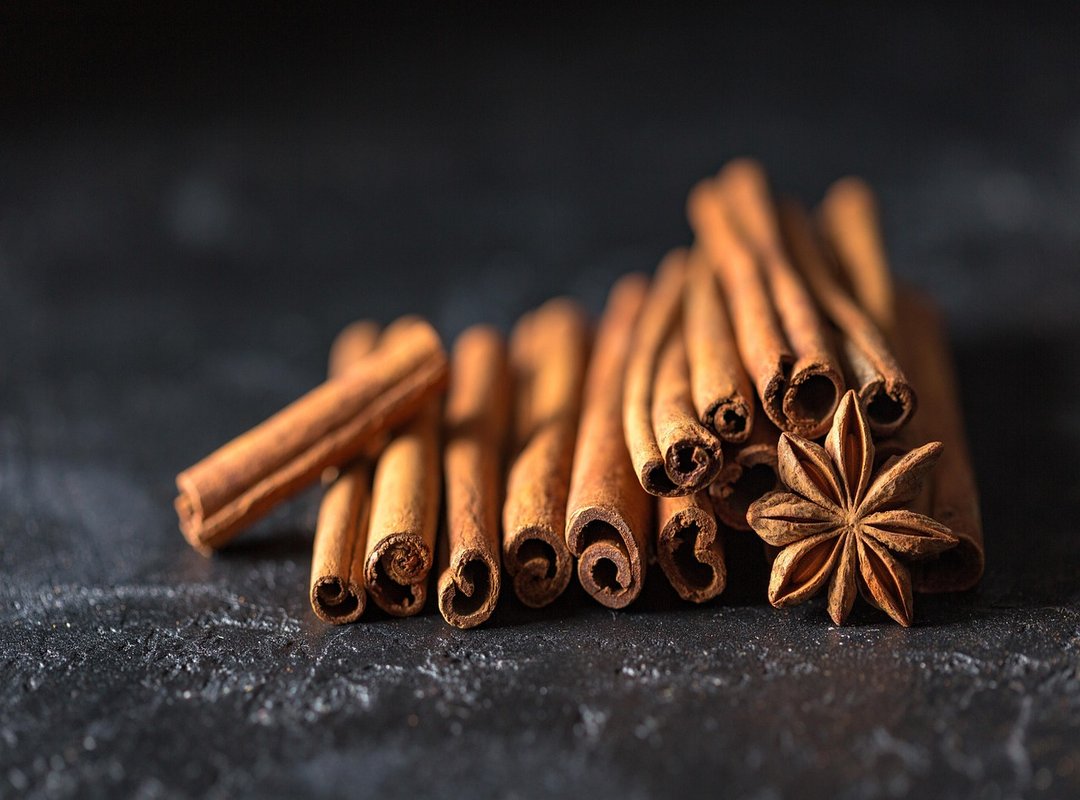
I use Falotani almost daily. Not as a garnish. Not as a “secret ingredient.” As the main event.
It’s sharp. Earthy. Slightly sweet and deeply warm (like) toasted cumin crossed with black cardamom and a whisper of dried plum.
The Falotani Taste hits fast. Then lingers. You’ll know it right away.
Start small. Seriously. A pinch is enough for a whole pot of beans.
Add more only after tasting. I’ve ruined two batches of stew by skipping this step. (You will too.)
Here’s what works best with it:
- Proteins: beef short ribs, skin-on chicken thighs, brown lentils
- Vegetables: roasted carrots, sautéed kale, caramelized onions
Don’t overthink pairings. If it browns well, Falotani will lift it.
Try these three starter frames:
The 5-Minute Falotani Marinade: Whisk 1 tsp Falotani, 2 tbsp olive oil, 1 tsp lemon juice, salt. Toss with chicken or tofu. Let sit 10 minutes (no) longer.
Transform Your Roasted Vegetables: Toss veggies in oil, then after roasting, sprinkle Falotani on hot pan. Stir once. That bloom step matters.
The Secret to a Better Soup Broth: Fry Falotani in oil for 30 seconds before adding broth. This wakes up the flavor. Don’t skip it.
That bloom tip? It’s not optional. Heat unlocks the volatile oils.
Cold Falotani tastes flat. Hot oil makes it sing.
Falotani is sold whole or ground. Whole lasts longer. Grind it fresh if you can (your) mortar and pestle will thank you.
I keep mine in a glass jar on the counter. Not the fridge. Moisture dulls it.
Use it in place of cumin or coriander. Not both. Pick one.
Falotani replaces them (no) blending needed.
Taste as you go. Always.
It’s strong. But honest.
Falotani Mistakes That Ruin Dinner
I burned three batches before I got it right.
Falotani is strong. Not “add a pinch and walk away” strong. It’s pungent (sharp,) earthy, with a bitter edge that bites back if you’re careless.
You use too much? Your dish tastes like medicine. (Yes, really.)
Don’t pair it with delicate fish or light greens. It bulldozes them. You’ll taste Falotani (and) only Falotani.
I tried it on a cucumber salad once. Big mistake. The freshness vanished.
All that was left was heat and regret.
It needs time. Heat. Fat.
Let it sizzle in oil for two minutes before adding anything else. Sprinkling it on at the end? That’s just bitterness with no depth.
That’s why understanding its behavior matters more than memorizing ratios.
The Falotani Taste isn’t subtle. It’s a statement.
If you want to learn how it actually behaves in real pans. Not theory (check) out Cooking Falotani.
Your Bland-Meal Rut Ends Now
I’ve been there. Staring into the fridge. Eating the same thing.
Again.
You want flavor that sticks. Not just salt or heat (but) something alive.
That’s Falotani Taste. Not magic. Not complicated.
Just one ingredient, used right.
You don’t need a pantry full of spices. You don’t need chef training. You need to know what it does (and) where it shines.
Blooming it in oil for 90 seconds changes everything. I’ve seen people taste it and stop mid-bite. Then go back for more.
Why are you still eating plain chicken? Why is your roasted broccoli boring?
This week. Pick one thing you already love. One protein.
One veg. Bloom the Falotani Taste with it.
You’ll taste the difference before the pan cools.
Go do it.
 Ask Oscar Conradostin how they got into healthy eating and nutrition and you'll probably get a longer answer than you expected. The short version: Oscar started doing it, got genuinely hooked, and at some point realized they had accumulated enough hard-won knowledge that it would be a waste not to share it. So they started writing.
What makes Oscar worth reading is that they skips the obvious stuff. Nobody needs another surface-level take on Healthy Eating and Nutrition, Cooking Tips and Techniques, Meal Planning and Preparation. What readers actually want is the nuance — the part that only becomes clear after you've made a few mistakes and figured out why. That's the territory Oscar operates in. The writing is direct, occasionally blunt, and always built around what's actually true rather than what sounds good in an article. They has little patience for filler, which means they's pieces tend to be denser with real information than the average post on the same subject.
Oscar doesn't write to impress anyone. They writes because they has things to say that they genuinely thinks people should hear. That motivation — basic as it sounds — produces something noticeably different from content written for clicks or word count. Readers pick up on it. The comments on Oscar's work tend to reflect that.
Ask Oscar Conradostin how they got into healthy eating and nutrition and you'll probably get a longer answer than you expected. The short version: Oscar started doing it, got genuinely hooked, and at some point realized they had accumulated enough hard-won knowledge that it would be a waste not to share it. So they started writing.
What makes Oscar worth reading is that they skips the obvious stuff. Nobody needs another surface-level take on Healthy Eating and Nutrition, Cooking Tips and Techniques, Meal Planning and Preparation. What readers actually want is the nuance — the part that only becomes clear after you've made a few mistakes and figured out why. That's the territory Oscar operates in. The writing is direct, occasionally blunt, and always built around what's actually true rather than what sounds good in an article. They has little patience for filler, which means they's pieces tend to be denser with real information than the average post on the same subject.
Oscar doesn't write to impress anyone. They writes because they has things to say that they genuinely thinks people should hear. That motivation — basic as it sounds — produces something noticeably different from content written for clicks or word count. Readers pick up on it. The comments on Oscar's work tend to reflect that.