
You’re tired of hearing “eat this, not that” like it’s gospel.
Especially when the rules change every six months.
I’ve watched people quit three diets before breakfast. (Not kidding.)
This isn’t another set of rigid rules. No calorie counting. No food guilt.
No “good” or “bad” labels.
What works is simpler than you’ve been told.
Nutritional Advice Fhthgoodfood is built on how real people eat. Not how influencers pretend to.
It’s about feeling full. Staying steady. Not crashing by 3 p.m.
I’ve seen it stick. For years. Not weeks.
No gimmicks. No tracking apps. Just clear choices that add up to energy, not exhaustion.
You don’t need perfection.
You need a system that fits your life.
That’s what’s inside this guide.
Healthy Eating Isn’t a Diet (It’s) a Default
I eat food to live. Not to count points or earn rewards.
Whole foods are things you recognize. An apple. A chicken thigh.
A handful of quinoa. Not something with 27 ingredients and a shelf life longer than my last relationship.
Ultra-processed foods? Think fruit snacks that aren’t fruit. Soda that tastes like candy floss and regret.
Protein bars that list “natural flavors” before actual protein.
They’re convenient. I get it. But they don’t fuel you.
They distract you.
Protein is your body’s building block. Carbs are your quick-start button. Fats keep the lights on when things get quiet.
None of them are villains. You need all three. Just not all at once in a bag of cheese puffs.
Water matters more than most people admit. Try drinking half your body weight (in pounds) in ounces per day. So if you weigh 160, aim for 80 oz.
Your energy won’t spike (but) your afternoon crash might vanish.
That’s hydration. Not magic. Just physics.
Nutrient density means getting real value from what you eat. Spinach over iceberg. Salmon over fish sticks.
Eggs over powdered omelet mix.
It’s not about perfection. It’s about shifting your baseline.
Fhthgoodfood shows how small daily choices add up (no) trackers, no guilt, just clearer energy.
I stopped asking “What can I cut out?” and started asking “What do I want to feel?”
You’ll notice the difference in two days. Maybe three.
Not every meal has to be textbook. But most should land somewhere between “real” and “recognizable.”
That’s where Nutritional Advice Fhthgoodfood actually works.
Skip the apps. Start here.
Build Your Plate: No Measuring Cups Needed
I stopped counting calories ten years ago.
I started using a plate instead.
The Plate Method is just that. A dinner plate. Nothing fancy.
No apps. No scales. Just your eyes and a normal-sized plate.
Half the plate goes to non-starchy vegetables. Broccoli, peppers, spinach, zucchini. Stuff that crunches or wilts but doesn’t spike your blood sugar.
Not salad with croutons and cheese on top. Real vegetables. Lots of them.
A quarter goes to lean protein. Chicken breast, tofu, eggs, white fish, lentils. Not breaded.
Not fried. Just plain protein you can recognize.
The last quarter? Complex carbs. Quinoa, sweet potato, brown rice, barley.
Not white pasta. Not toast. Stuff that holds its shape and keeps you full.
Breakfast example: Scrambled eggs with sautéed kale and half a roasted sweet potato. Lunch: Big spinach salad with grilled chicken, quinoa, and lemon-vinaigrette. Dinner: Baked salmon, roasted asparagus, and 1/4 cup farro.
You’re probably thinking: “What about fruit?”
Fruit counts (but) not on the plate. It’s a side or snack. Not a carb replacement.
Eating the rainbow matters. Red tomatoes have lycopene. Orange carrots have beta-carotene.
Purple cabbage has anthocyanins. Different colors = different nutrients. Skip the green-only phase.
Your body notices.
Add healthy fat on top. A drizzle of olive oil. Two walnut halves.
One slice of avocado. Not a whole one. Not butter.
Just enough to help absorb those vitamins.
I used to drown salads in ranch. Now I use mustard and vinegar. Big difference.
You’ll taste it too.
This isn’t dieting. It’s setting up your plate so food works for you (not) against you.
That’s what good Nutritional Advice Fhthgoodfood looks like. Simple. Visual.
Repeatable.
I go into much more detail on this in Nutritional meals fhthgoodfood.
No math required. Just a plate.
Snack Smarter, Prep Simpler
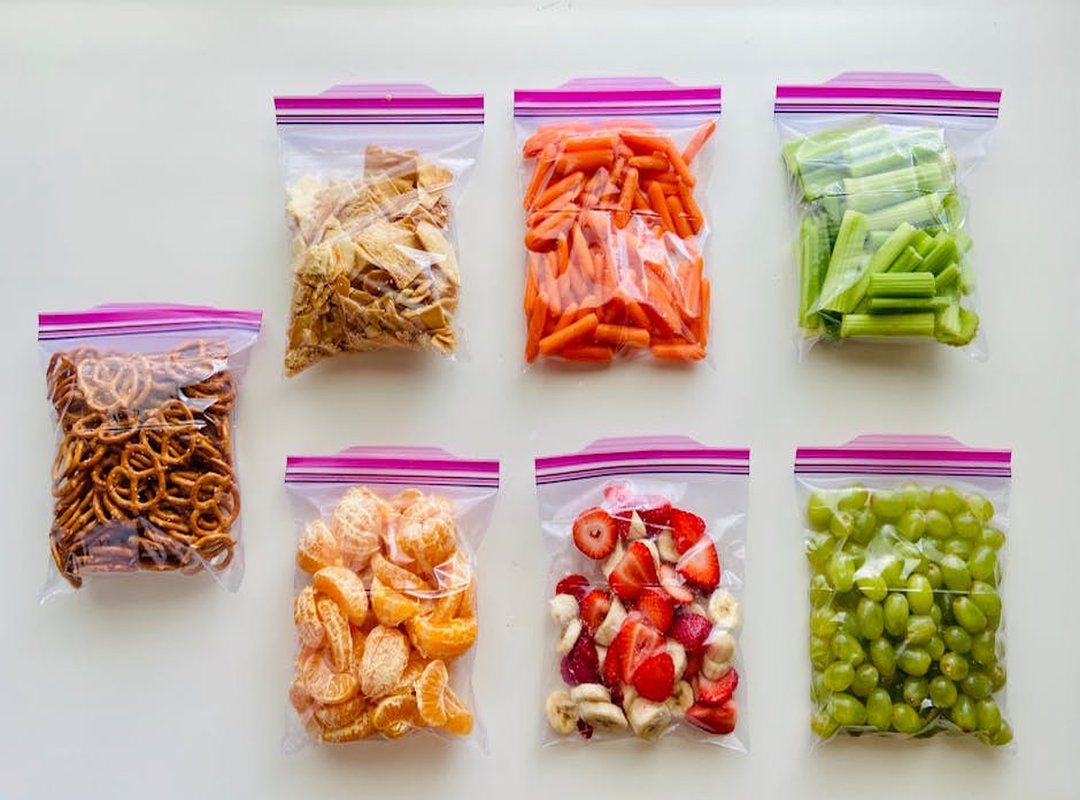
I used to grab chips at 3 p.m. every day. Then crash. Then blame my willpower.
Wrong move.
Unhealthy snacking isn’t a habit. It’s a symptom. You’re hungry.
Your blood sugar dips. You reach for what’s fast. That’s human.
But you don’t have to feed the crash.
Here’s the formula I stick to: Protein/Fat + Fiber. That combo slows digestion. Keeps you full.
Stops the 4 p.m. panic.
Apple slices with peanut butter? Yes. Greek yogurt with frozen berries?
Yes. Handful of almonds and a pear? Yes.
Turkey roll-ups with spinach? Yes. Cottage cheese and cherry tomatoes?
Yes.
No fancy ingredients. No meal kit subscriptions. Just real food that works.
Meal prep isn’t about cooking for six hours on Sunday. It’s about stealing back 10 minutes during dinner. And using them tomorrow.
Try this: Cook once, eat twice. Make extra chicken or rice at dinner. Pack half for lunch.
Done.
Pre-chop your veggies while you’re waiting for pasta water to boil. Toss them in a container. Grab and go all week.
Hard-boil six eggs on Monday morning. They last. They satisfy.
They save your sanity.
You don’t need perfect portions or Instagram-worthy containers. You need consistency (not) perfection.
I’ve tried the “perfect prep” method. It lasted three days. Then life happened.
So now I do what fits my schedule (not) some influencer’s.
That’s why I lean into simple, repeatable moves. Like the ones above.
If you want more structure, check out Nutritional meals fhthgoodfood (they) break down balanced meals without the dogma.
And one last thing: Nutritional Advice Fhthgoodfood is useless if it doesn’t fit your life. So start small. Pick one tip.
Try it for three days.
Then decide if it stays.
Beyond Diets: Eat Like a Human
I stopped counting calories in 2017.
And I never looked back.
Rigid rules don’t last. Your body isn’t a spreadsheet. The Fhthgoodfood philosophy starts there.
I eat well most days. About 80% of the time. The rest?
I eat what I want. No guilt. No math.
You’re allowed to enjoy food. Seriously. Try it.
I check in before eating: Am I hungry? Or just bored?
After? Do I feel full? Or stuffed?
That’s mindful eating.
Not meditation. Just noticing.
Perfection is a trap.
Consistency builds real change.
If you want real, lasting Nutritional Advice Fhthgoodfood, start with listening (not) logging.
For more on how this works in practice, check out the Advice on Nutrition page.
Eat Like This Today
Healthy eating feels impossible. I know. I’ve felt it too.
It’s not about perfect meals or strict rules.
It’s about your next plate.
Just fill half with veggies. A quarter with protein. A quarter with whole grains or starchy veg.
That’s it. No scales. No apps.
No guilt.
You don’t need to overhaul your life.
You need one meal done right.
Nutritional Advice Fhthgoodfood gave you the simplest tool that actually works. Not theory. Not trends.
Just real food, arranged right.
So (what’s) your next meal? Lunch? Dinner?
Even breakfast?
Do it now. Use the Plate Method. Just once.
You’ll feel the difference before you finish eating.
Your health starts here. Not tomorrow. Not Monday.
Go build your plate.
 Ask Oscar Conradostin how they got into healthy eating and nutrition and you'll probably get a longer answer than you expected. The short version: Oscar started doing it, got genuinely hooked, and at some point realized they had accumulated enough hard-won knowledge that it would be a waste not to share it. So they started writing.
What makes Oscar worth reading is that they skips the obvious stuff. Nobody needs another surface-level take on Healthy Eating and Nutrition, Cooking Tips and Techniques, Meal Planning and Preparation. What readers actually want is the nuance — the part that only becomes clear after you've made a few mistakes and figured out why. That's the territory Oscar operates in. The writing is direct, occasionally blunt, and always built around what's actually true rather than what sounds good in an article. They has little patience for filler, which means they's pieces tend to be denser with real information than the average post on the same subject.
Oscar doesn't write to impress anyone. They writes because they has things to say that they genuinely thinks people should hear. That motivation — basic as it sounds — produces something noticeably different from content written for clicks or word count. Readers pick up on it. The comments on Oscar's work tend to reflect that.
Ask Oscar Conradostin how they got into healthy eating and nutrition and you'll probably get a longer answer than you expected. The short version: Oscar started doing it, got genuinely hooked, and at some point realized they had accumulated enough hard-won knowledge that it would be a waste not to share it. So they started writing.
What makes Oscar worth reading is that they skips the obvious stuff. Nobody needs another surface-level take on Healthy Eating and Nutrition, Cooking Tips and Techniques, Meal Planning and Preparation. What readers actually want is the nuance — the part that only becomes clear after you've made a few mistakes and figured out why. That's the territory Oscar operates in. The writing is direct, occasionally blunt, and always built around what's actually true rather than what sounds good in an article. They has little patience for filler, which means they's pieces tend to be denser with real information than the average post on the same subject.
Oscar doesn't write to impress anyone. They writes because they has things to say that they genuinely thinks people should hear. That motivation — basic as it sounds — produces something noticeably different from content written for clicks or word count. Readers pick up on it. The comments on Oscar's work tend to reflect that.