
You’ve stood in front of that stall. Steam rising, spices sharp in the air (and) still walked away unsure if you just tasted something real.
Or worse. You followed the top-rated list and ended up eating reheated tourist food in a tiled courtyard with fake bamboo.
I’ve done it too. More times than I’ll admit.
What makes a dish matter isn’t the photo or the rating. It’s the hand that shaped it. The story behind the sauce.
The reason that chili is roasted over coconut husks and not gas.
Most travel food guides don’t ask those questions. They serve up names and addresses like receipts.
I spent years talking to grandmothers in Oaxaca, fishmongers in Hoi An, bakers in Fez. Not for reviews, but for context.
That’s how What Are Culinary Treasures Tbfoodtravel got built.
Not from menus. From memory. From sweat.
From arguments over whether garlic goes in the dough before or after the second rise.
This isn’t about what to eat.
It’s about how to taste like you belong.
You’ll learn how to spot the real thing (not) by the sign above the door, but by the rhythm of the cook’s hands.
No fluff. No filters. Just food that sticks to your ribs and your mind.
Culinary Delights Aren’t Just Pretty Plates
I used to think “culinary delight” meant something that tasted amazing and looked Instagram-ready. (Spoiler: I was wrong.)
A culinary delight is taste plus tradition plus story plus where it’s eaten. Not just how hot the chile is or how glossy the sauce looks.
What makes a dish delightful in its home isn’t technique alone. It’s geography (like) sea salt in a coastal stew. It’s seasonality.
Tomatoes picked at noon, not shipped for weeks. It’s generational knowledge (the) grandmother who stirs clockwise because her mother did.
You’ve seen food tourism: quick photos at famous spots, then rushing off. That’s not discovery. That’s collecting receipts.
Real immersion? Learning to fold dumplings in someone’s kitchen while they tell you why the pleats changed after the flood of ’89.
I remember eating caldeirada on Portugal’s Algarve coast. Simple fish, potatoes, onions. Then the fisherman’s daughter told me how her grandfather adjusted the broth every decade.
Less wine when the sardines thinned, more garlic when winters got colder. That stew wasn’t just food. It was memory in a bowl.
That’s why Tbfoodtravel skips the checklist. Depth over destinations.
What Are Culinary Treasures Tbfoodtravel? They’re not things you find. They’re things you earn (by) listening, staying, and showing up empty-handed but full of questions.
How to Spot Real Food. Before You Sit Down
I walk into a place and watch before I order.
Always.
First: ingredient sourcing. Is there a chalkboard listing farms? A basket of weird-looking heirloom tomatoes behind the counter?
If not, ask where the greens came from. If they hesitate. Or say “imported” (walk) out.
(Yes, really.)
Second: language on the menu. “Grandmother’s recipe” means someone’s actual abuela cooked it first. “Inspired by traditional flavors” means a chef Googled “Oaxacan mole” at 2 a.m. and winged it.
Third: no English-only photos. If every dish looks like a stock photo from a food blog in Brooklyn. Same lighting, same garnish, same flat lay (it’s) staged.
Not lived.
Fourth: staff talk to you about the food. Not just “Enjoy!” but “This chile was roasted yesterday. We grind it by hand.” If they do, you’re in.
Here’s my field-tested tip: arrive 30 minutes before lunch. Watch how they prep. See if someone tastes the broth twice.
See if they adjust the fire under the comal without thinking. That’s rhythm. That’s pride.
Ask yourself: If no one here speaks my language fluently, am I being invited in. Or just served?
Red flag: identical Instagram feeds across three cities. Or menus translated word-for-word with zero adaptation (looking at you, “spicy chicken rice” instead of “arroz con pollo picante”).
What Are Culinary Treasures Tbfoodtravel? They’re not on the plate first. They’re in the soil, the syllables, the silence between orders.
And the way someone’s eyes light up when they describe the salsa.
Building Your Own Culinary Discovery Toolkit
I started mine with three things. A seasonal calendar app. A phrase sheet full of food verbs. crush, ferment, bloom, scorch.
And a notebook I keep in my apron pocket.
Not for names. For textures. The grit of roasted cumin.
The shock of cold coconut water straight from the nut. How my throat tightened when I first tasted fermented bamboo shoot in Nagaland.
I go into much more detail on this in Tbfoodtravel global cuisine by thatbites.
You don’t need fluency. You need curiosity. That’s it.
Local radio stations? Tune in during morning drive time. They announce harvest festivals no one posts online.
Community bulletin boards at bakeries or laundromats? Same thing. I found a sourdough workshop in Lisbon that way (no) website, just a hand-drawn flyer taped to a washing machine.
Ask better questions. Drop What’s in this? It’s lazy. Try Who taught you to make this? Watch how people lean in.
Their shoulders relax. Their hands start moving again.
I tracked monsoon-arriving herbs in Kerala for six weeks. Not for recipes. Just arrival dates, leaf shape shifts, scent changes at noon versus dusk.
One woman noticed. Invited me up to her rooftop. Showed me how to lay basil stems on old saris to dry in the wind-rain.
That’s how real connection starts.
Culinary treasures aren’t hidden (they’re) held.
By people. By weather. By memory.
If you want deeper context on how this works across regions, check out Tbfoodtravel global cuisine by thatbites.
What Are Culinary Treasures Tbfoodtravel? They’re the unspoken rules no guidebook lists. The rhythm of a mortar and pestle.
From Observer to Co-Creator: How Meals Become Real
I started as a spectator. Standing back. Taking photos.
Nodding politely while someone explained how to roll pasta.
That’s fine. But it’s not where meaning lives.
Then I became the asker. “Can I try that?” “Why do you use this herb and not that one?” “What did your grandmother say when you first burned the sauce?”
Asking opens doors. Even bad questions do.
Next came helper. Washing lettuce beside a vendor counts as participation. So does peeling garlic.
Or stirring a pot for ten minutes while someone tells you about their childhood in Palermo.
You don’t need fluency. You just need to show up with clean hands and quiet attention.
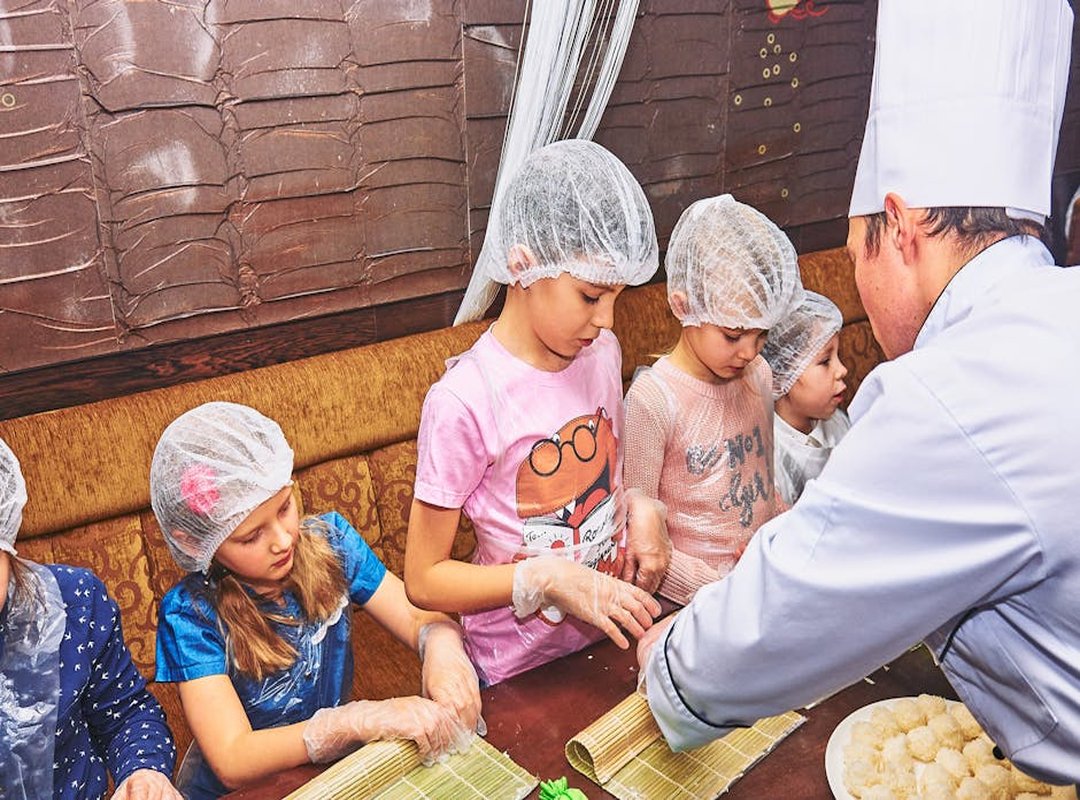
Co-creator is different. That’s when you’re adjusting seasoning with them (not) for them (and) the dish changes because of your input. Not because you’re “better,” but because you listened long enough to understand the rhythm.
Sharing a meal after helping. Even silently (does) something strange. People soften.
I once mispronounced caponata so badly the cook burst out laughing. Then she spent 45 minutes teaching me about eggplant fermentation in Sicily. No guidebook mentions that.
Stories surface. Truths drop like olive pits into a bowl.
Respectful presence matters more than perfect technique.
What Are Culinary Treasures Tbfoodtravel? It’s not the dish. It’s the hand that guided yours.
Your First Bite Starts Tomorrow
I’m not selling you a trip. I’m asking you to slow down.
What Are Culinary Treasures Tbfoodtravel? They’re not hidden in far-off markets. They’re in your next meal (if) you look.
You scroll past food every day. You eat on autopilot. You miss the steam.
The sound. The way your own hands hold the fork.
That’s the pain. And it’s real.
So here’s what to do: pick one upcoming meal. Breakfast, lunch, or snack (and) notice one thing you’ve never noticed before.
Not five things. Not ten. Just one.
Watch how light hits the butter. Listen to the crunch. Feel the heat rise.
That’s where it begins.
The most unforgettable bite begins not on your tongue. But in your willingness to look closely.
 Ask Oscar Conradostin how they got into healthy eating and nutrition and you'll probably get a longer answer than you expected. The short version: Oscar started doing it, got genuinely hooked, and at some point realized they had accumulated enough hard-won knowledge that it would be a waste not to share it. So they started writing.
What makes Oscar worth reading is that they skips the obvious stuff. Nobody needs another surface-level take on Healthy Eating and Nutrition, Cooking Tips and Techniques, Meal Planning and Preparation. What readers actually want is the nuance — the part that only becomes clear after you've made a few mistakes and figured out why. That's the territory Oscar operates in. The writing is direct, occasionally blunt, and always built around what's actually true rather than what sounds good in an article. They has little patience for filler, which means they's pieces tend to be denser with real information than the average post on the same subject.
Oscar doesn't write to impress anyone. They writes because they has things to say that they genuinely thinks people should hear. That motivation — basic as it sounds — produces something noticeably different from content written for clicks or word count. Readers pick up on it. The comments on Oscar's work tend to reflect that.
Ask Oscar Conradostin how they got into healthy eating and nutrition and you'll probably get a longer answer than you expected. The short version: Oscar started doing it, got genuinely hooked, and at some point realized they had accumulated enough hard-won knowledge that it would be a waste not to share it. So they started writing.
What makes Oscar worth reading is that they skips the obvious stuff. Nobody needs another surface-level take on Healthy Eating and Nutrition, Cooking Tips and Techniques, Meal Planning and Preparation. What readers actually want is the nuance — the part that only becomes clear after you've made a few mistakes and figured out why. That's the territory Oscar operates in. The writing is direct, occasionally blunt, and always built around what's actually true rather than what sounds good in an article. They has little patience for filler, which means they's pieces tend to be denser with real information than the average post on the same subject.
Oscar doesn't write to impress anyone. They writes because they has things to say that they genuinely thinks people should hear. That motivation — basic as it sounds — produces something noticeably different from content written for clicks or word count. Readers pick up on it. The comments on Oscar's work tend to reflect that.