
You’re standing in your kitchen.
Staring at another recipe blog.
Photos so glossy they look airbrushed.
Instructions so vague they assume you already know what “sweat the onions” really means.
I’ve been there.
And I’m tired of it.
This isn’t about copying steps until something edible comes out. It’s about knowing why that step exists. Why searing before braising matters.
Why resting meat isn’t optional. Why salt timing changes everything.
I’ve tested hundreds of techniques. Across Thai curries, French sauces, Mexican moles, Middle Eastern breads. Not just the wins (I) logged the failures too.
The burnt roux. The collapsed soufflés. The bland broths.
That’s how real intuition builds. Not from perfection. From repetition and reflection.
You don’t want another list of recipes. You want to think like a cook. To adjust on the fly.
To fix mistakes before they ruin dinner.
That’s what Food Jalbiteblog delivers. No fluff. No filler.
Just insight you can use tonight.
Technique > Trend: Why Your Pan Knows More Than TikTok
I used to chase every viral recipe. Then I burned three batches of hollandaise in one week.
That’s when I stopped watching videos and started listening to my sauce.
One version? Followed the steps exactly. Cold butter.
Precise temps. It broke at 82°F. (Because butter melts at 90°F (duh.))
The other version? I watched the emulsion thicken, added lemon juice before it got tight, whisked faster when it looked nervous. It held.
Smooth. Silky. Alive.
That difference isn’t magic. It’s heat control. It’s acid balance.
It’s knowing when your pan is just hot enough. Not “medium-high” on some stove dial you’ve never calibrated.
Next time you sear meat, pause at 60 seconds. Listen for the sizzle shift, then check color and resistance.
You don’t need a $1,200 induction cooktop. You need a $12 instant-read thermometer, a $5 silicone spatula, and a $3 heavy-bottomed skillet. Those tools teach you what your eyes and ears miss.
Trends fade. Technique compounds. Every time you adjust instead of autopilot, you build confidence that sticks.
I wrote about this early on over at the Jalbiteblog (where) fundamentals aren’t theory. They’re your first real knife skill.
Food Jalbiteblog? Nah. That’s just a label.
What matters is what happens in the pan.
Not what’s trending. What’s true. What works.
The Hidden Language of Ingredients: What Labels Really Say
I read labels like a detective. Not for calories. For intent.
Cultured dextrose isn’t just “natural.” It’s bacteria doing preservation work (same) job as sodium benzoate, just quieter. (And yes, it can still mess with sourdough starters.)
“Natural flavors”? That means someone isolated molecules from something real. Then rebuilt them in a lab to taste consistent.
It’s not “fake,” but it’s not “just fruit” either.
Here’s a swap that works: coconut milk in Thai curry. Creamy. Stable.
Holds up to heat. Heavy cream in the same dish? It breaks.
Every time. Curdles before you finish stirring.
Another: almond milk in coffee. Fine until you steam it. Then it separates like bad relationships.
Five red flags? “Modified food starch.” “Diacetyl tartaric acid esters of mono- and diglycerides.” “Autolyzed yeast extract.” “Calcium disodium EDTA.” “Enzyme-modified soy lecithin.”
Each one solves a texture or shelf-life problem. But often at the cost of mouthfeel or authenticity.
I once used “natural flavor oil” instead of ground cumin in a chili. Thought it’d be faster. Got perfume soup.
Took three batches to relearn: oils aren’t powders. They don’t bloom the same way.
That’s why I started the Food Jalbiteblog. To cut through the gloss and name what’s really happening in the bag.
Kitchen Logic: A 4-Question System That Actually Works
I used to burn toast and call it “artisanal.” Then I stopped following recipes like scripture.
Here’s the system I use in every post:
*What is this ingredient doing?*
What happens if I change it? What’s the minimum effective amount? it’s the first sign it’s working (or) failing?
That first question is the most ignored. Salt isn’t just for flavor. In bread, it tightens gluten.
In cookies, it controls spread. If you don’t know what it’s doing, you’re just seasoning blindly.
Try it with gluten-free baking. Swap almond flour for oat flour? Ask: What’s almond flour doing here?
(It adds fat and structure.) What happens if I change it? (Cookies crumble.) Minimum amount? Maybe 20% less works (if) you add psyllium.
First sign of failure? Cracks before baking even starts.
“Just follow the recipe” trains you to obey. Not think. It kills confidence.
It makes you panic when your oven runs hot or your flour is old.
That’s why I built the Jalbiteblog around real decisions. Not dogma.
Mental checklist (print it or memorize it):
- Name one job this ingredient does
- Name one thing that breaks if you swap it
3.
Try cutting it by 10% next time
- Watch for one visual cue (not) taste, not time
You’ll stop guessing. You’ll start knowing.
Food Jalbiteblog isn’t about perfect results. It’s about fewer surprises.
Rice Washing Isn’t Ritual. It’s Physics
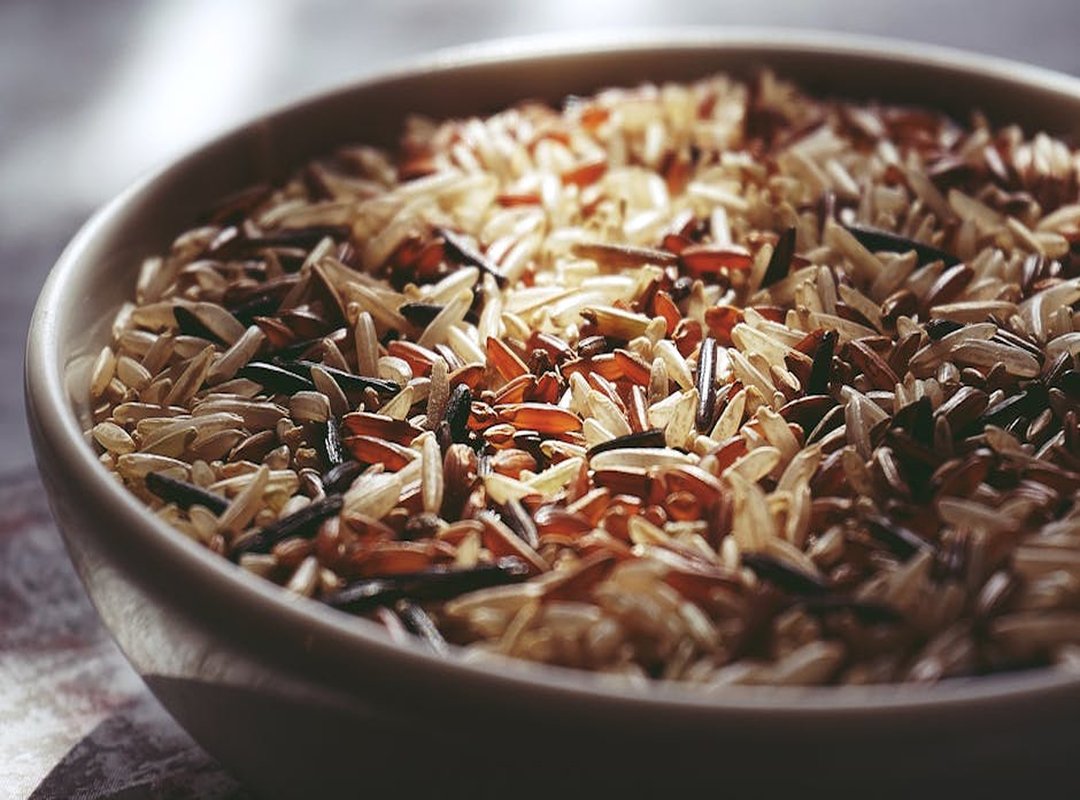
I wash rice differently depending on what I’m making. Not because I’m chasing “authenticity.” Because starch behaves differently in Japanese short-grain, Korean medium-grain, and Indian parboiled rice.
Japanese rice gets rinsed fast (30) seconds max (with) cold water. Why? To remove surface starch only.
That keeps the grains sticky but intact for sushi. (Try over-rinsing. You’ll get mush.)
Korean rice? Rinsed longer (up) to 2 minutes (and) often soaked after. More starch removal means fluffier, separate grains for bibimbap.
Indian parboiled rice? Usually not washed at all. The parboiling process already gelatinizes starch.
“Authenticity” is a lazy word. Functional intent matters more. Thai curry paste is pounded. Not blended.
Washing it would make it gummy.
Because mortar-and-pestle heat and friction release volatile oils that a blender kills. It’s not tradition for tradition’s sake. It’s chemistry.
Here’s a myth: “All fermented foods are probiotic-rich.” Nope. Pasteurized kimchi? Dead cultures.
Refrigerated sauerkraut? Often alive. Heat = death.
Period.
Adapt respectfully: ask what job does this step do?, then find a substitute that does the same job (not) one that looks cool.
That’s how you cook without apology.
Food Jalbiteblog covers this kind of thinking (no) gatekeeping, just clarity.
No Sponsored Gear. No Unverified Hacks. No Recipe-Only Content.
I don’t review blenders because a brand paid me to.
I don’t post “5-minute dinner hacks” I’ve never tried (let) alone timed.
And I won’t give you a recipe without explaining why the simmer time matters or why that flour substitution fails at 5,000 feet.
Every claim gets tested. At least three times. Different stoves.
Different brands of butter. Different altitudes. If it breaks under real conditions, it doesn’t go up.
No sous-vide. No immersion circulators. Just your stove, a pot, and a whisk.
That’s non-negotiable.
Most food blogs chase what’s trending. I chase what works (then) teach you how to adapt it.
You’re not here to follow steps. You’re here to understand them.
That’s how you stop guessing and start cooking.
The Food Jalbiteblog isn’t about shortcuts. It’s about clarity.
I’d rather you master one technique deeply than skim ten viral recipes.
This isn’t developer-grade code. But it is developer-grade thinking applied to food.
You learn to question assumptions. To test variables. To trust your own palate over an algorithm.
That’s why I track the Jalbiteblog food trend (not) to copy it, but to see what holds up under real kitchen pressure.
You Cook Better When You Understand Why
I’ve watched people follow recipes like scripture.
Then wonder why nothing sticks.
That’s the pain. Wasting time on steps that don’t build skill. That don’t make you confident.
Food Jalbiteblog isn’t about more recipes.
It’s about answering why (so) you stop guessing and start knowing.
You already know how to taste salt. You already know when something’s undercooked. But you’ve been told to ignore that.
To trust the timer instead of your tongue.
So here’s what to do right now:
Open one recent post. Stand in your kitchen while you read it. Apply just one insight to your next meal.
Even if it’s only changing when you add the salt.
Your intuition is already sharper than you think. This blog is here to help you trust it.
 Ask Oscar Conradostin how they got into healthy eating and nutrition and you'll probably get a longer answer than you expected. The short version: Oscar started doing it, got genuinely hooked, and at some point realized they had accumulated enough hard-won knowledge that it would be a waste not to share it. So they started writing.
What makes Oscar worth reading is that they skips the obvious stuff. Nobody needs another surface-level take on Healthy Eating and Nutrition, Cooking Tips and Techniques, Meal Planning and Preparation. What readers actually want is the nuance — the part that only becomes clear after you've made a few mistakes and figured out why. That's the territory Oscar operates in. The writing is direct, occasionally blunt, and always built around what's actually true rather than what sounds good in an article. They has little patience for filler, which means they's pieces tend to be denser with real information than the average post on the same subject.
Oscar doesn't write to impress anyone. They writes because they has things to say that they genuinely thinks people should hear. That motivation — basic as it sounds — produces something noticeably different from content written for clicks or word count. Readers pick up on it. The comments on Oscar's work tend to reflect that.
Ask Oscar Conradostin how they got into healthy eating and nutrition and you'll probably get a longer answer than you expected. The short version: Oscar started doing it, got genuinely hooked, and at some point realized they had accumulated enough hard-won knowledge that it would be a waste not to share it. So they started writing.
What makes Oscar worth reading is that they skips the obvious stuff. Nobody needs another surface-level take on Healthy Eating and Nutrition, Cooking Tips and Techniques, Meal Planning and Preparation. What readers actually want is the nuance — the part that only becomes clear after you've made a few mistakes and figured out why. That's the territory Oscar operates in. The writing is direct, occasionally blunt, and always built around what's actually true rather than what sounds good in an article. They has little patience for filler, which means they's pieces tend to be denser with real information than the average post on the same subject.
Oscar doesn't write to impress anyone. They writes because they has things to say that they genuinely thinks people should hear. That motivation — basic as it sounds — produces something noticeably different from content written for clicks or word count. Readers pick up on it. The comments on Oscar's work tend to reflect that.