
Start with Your Breakfast
Mornings don’t need a total overhaul just a few smart tweaks. Tossing a handful of spinach or kale into your eggs or omelet gives your plate a boost without changing the flavor too much. They wilt down fast and mix right in.
If you’re into pancakes or waffles, try grating in some zucchini or carrots. They add moisture, faint sweetness, and extra fiber no one will complain. Whole grain toast? Don’t stop at butter. Add sliced tomatoes for brightness, or avocado for something creamy. Both bring in nutrients and complement your standard go to toppings.
Finally, consider your blender. A smoothie’s a perfect blank slate. Throw in frozen cauliflower or spinach. You won’t taste it, but your body will thank you. A little effort in the a.m. goes a long way.
Upgrade Your Snacks
Snacking doesn’t have to derail your healthy eating goals in fact, it’s one of the easiest places to sneak in more vegetables. With a few simple swaps and smart pairings, you can turn snack time into a veggie boost without sacrificing flavor or convenience.
Crunchy Alternatives to Chips
Reach for crisp, colorful alternatives to processed snacks:
Bell pepper strips offer a sweet and crunchy bite
Cucumber rounds are refreshing and low in calories
Sugar snap peas deliver a satisfying crisp and subtle sweetness
These options are naturally hydrating and packed with nutrients, making them ideal midday pick me ups.
Dip Friendly Veggies
Pair your favorite dips with fiber rich, raw vegetables instead of crackers or chips:
Hummus works well with carrot sticks, celery, and cherry tomatoes
For variation, try tzatziki or guacamole with the same crisp veggies for extra flair
Make It Fun: Mini Veggie Kabobs
Turn snacking into something playful and visual:
Skewer cherry tomatoes, cucumber slices, and bell pepper squares with small cubes of cheese
Kid friendly and easy to prep ahead for grab and go eating
Savory Shelf Stable Options
For quick, no prep solutions that still deliver veggie benefits, keep these staples on hand:
Roasted chickpeas offer fiber and crunch with lots of flavor variations
Seaweed snacks provide a salty hit of minerals and umami without added bulk
Incorporating vegetables into your snack routine doesn’t require a total lifestyle change it’s just about having the right components on hand and making simple swaps that support your goals.
Bulk Up Lunch and Dinner
You don’t need to reinvent your meals just layer in more greens and veggies where it makes sense. Toss a handful of spinach or kale into hot soup or pasta; it wilts instantly and blends right in. Same goes for casseroles chopped broccoli, zucchini, even leftover greens from the fridge can disappear into the mix with zero drama.
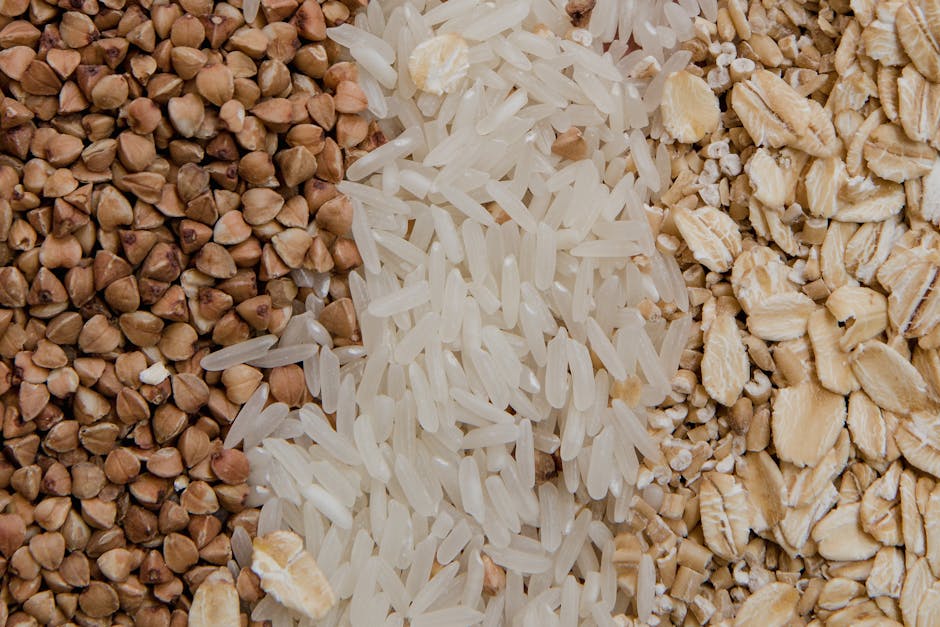
Already cooking rice, quinoa, or a grain bowl? Stir in roasted veggies or sautéed mushrooms to bulk it out and add texture. Pizzas and flatbreads? Top them with arugula, onions, or extra mushrooms after baking for a hit of freshness.
If you’re rushing, do a quick stovetop sauté onions, peppers, shredded carrots, maybe some garlic. It takes five minutes and adds color, fiber, and flavor to any plate. No fancy plan needed, just simple, recyclable moves that make every bite count.
Make It Easy, Don’t Overthink It
Vegetables don’t have to be a big production. Start by setting yourself up with a few basics. Wash and chop veggies ahead of time things like bell peppers, cucumbers, or carrots. Store them in clear containers so they’re easy to grab when hunger hits. You’ll be more likely to use them if they’re already prepped.
Keep frozen mixed vegetables or spinach in your freezer at all times. They’re perfect for tossing into stir fries, pasta, or even scrambled eggs when you’re low on time or groceries. No defrosting, no guesswork just quick nutrition.
Need more greens in your life? Add a handful on top of hot meals right before serving. Spinach, arugula, or kale will soften from the heat without becoming soggy. It’s low effort and boosts color, flavor, and nutrients.
Last move: blend cooked carrots, squash, or even cauliflower into sauces and soups. You won’t see them, and maybe you won’t even taste them. But your body will thank you later.
Keep It Simple with Smart Recipes
Don’t overcomplicate it. Some meals are already built for veggies you just have to notice them. Stir fries, tacos, omelets, bowls, soups, pastas. The more vegetables that naturally belong in a dish, the easier your job gets. Aim for two to three different veggies in one meal. It doesn’t have to feel like a salad on repeat.
To stay consistent, try making one veggie forward dish every week. Something reliable you enjoy. Maybe it’s a chili loaded with peppers and sweet potatoes. Maybe it’s a roasted veggie sheet pan dinner. The key is repetition with variety let it feel routine, not repetitive.
Need ideas? These light recipes for health are a solid place to start. They’re simple enough to follow on a busy weeknight but still satisfying enough to make you want seconds.
Turn Veg Into a Habit
Making vegetables a regular part of your meals doesn’t mean overhauling everything you love. It’s about building steady habits that fit your lifestyle.
Think “Add,” Not “Replace”
Instead of removing your favorite foods, focus on enriching them:
Add spinach to your pasta, not swap it for noodles
Pile extra toppings on pizza mushrooms, onions, peppers
Include a small side salad next to your go to comfort meal
This mindset keeps meals satisfying while gently increasing your veggie intake.
Try One New Veggie Each Week
Exploration makes healthy eating more enjoyable. Challenge yourself:
Pick up something unfamiliar like jicama, bok choy, or rainbow chard
Prepare it in a simple way roasted, sautéed, or raw
Keep notes on what you love and how you prepped it for future meals
Over time, your personal veggie rotation will grow naturally.
Let Small Steps Lead to Big Change
Consistency is more powerful than perfection. Even a handful of extra veggies each day adds up:
A few baby carrots here, a bit of added spinach there
Over a week or a month, those choices create noticeable differences
By weaving vegetables into what you’re already eating, it’s easier to enjoy the benefits without the stress.
 Veslina Veythorne has opinions about delicious recipe ideas. Informed ones, backed by real experience — but opinions nonetheless, and they doesn't try to disguise them as neutral observation. They thinks a lot of what gets written about Delicious Recipe Ideas, Food Reviews and Recommendations, Cooking Tips and Techniques is either too cautious to be useful or too confident to be credible, and they's work tends to sit deliberately in the space between those two failure modes.
Reading Veslina's pieces, you get the sense of someone who has thought about this stuff seriously and arrived at actual conclusions — not just collected a range of perspectives and declined to pick one. That can be uncomfortable when they lands on something you disagree with. It's also why the writing is worth engaging with. Veslina isn't interested in telling people what they want to hear. They is interested in telling them what they actually thinks, with enough reasoning behind it that you can push back if you want to. That kind of intellectual honesty is rarer than it should be.
What Veslina is best at is the moment when a familiar topic reveals something unexpected — when the conventional wisdom turns out to be slightly off, or when a small shift in framing changes everything. They finds those moments consistently, which is why they's work tends to generate real discussion rather than just passive agreement.
Veslina Veythorne has opinions about delicious recipe ideas. Informed ones, backed by real experience — but opinions nonetheless, and they doesn't try to disguise them as neutral observation. They thinks a lot of what gets written about Delicious Recipe Ideas, Food Reviews and Recommendations, Cooking Tips and Techniques is either too cautious to be useful or too confident to be credible, and they's work tends to sit deliberately in the space between those two failure modes.
Reading Veslina's pieces, you get the sense of someone who has thought about this stuff seriously and arrived at actual conclusions — not just collected a range of perspectives and declined to pick one. That can be uncomfortable when they lands on something you disagree with. It's also why the writing is worth engaging with. Veslina isn't interested in telling people what they want to hear. They is interested in telling them what they actually thinks, with enough reasoning behind it that you can push back if you want to. That kind of intellectual honesty is rarer than it should be.
What Veslina is best at is the moment when a familiar topic reveals something unexpected — when the conventional wisdom turns out to be slightly off, or when a small shift in framing changes everything. They finds those moments consistently, which is why they's work tends to generate real discussion rather than just passive agreement.