
Can Muslim People Eat Poziukri?
You might be wondering if Poziukri is Halal. It’s a fair question, especially when you come across new or unfamiliar foods. Determining the Halal status can be tricky without a clear set of guidelines.
This article will help you understand the core principles of Halal. You’ll get more than just a yes or no. You’ll learn how to assess any food, including Poziukri, based on Islamic dietary laws.
By the end, you’ll have a solid grasp of what makes a food Halal and how to make informed choices. Let’s dive in.
The Foundation: Understanding Halal and Haram
When it comes to Islamic dietary laws, the terms Halal and Haram are fundamental. Halal means permissible, while Haram means forbidden. These guidelines are primarily based on the Qur’an, which outlines what is allowed and what is not.
The primary categories of Haram items include:
- Pork and its by-products
- Alcohol and intoxicants
- Blood
- Carrion (dead animals)
- Meat not slaughtered according to Islamic rites (Zabihah)
Understanding these categories helps in making informed choices. However, there’s a gray area known as Mashbooh, which refers to doubtful or questionable items. This category is important because it encourages cautious consumption, especially when you’re unsure about the ingredients or preparation methods.
Can Muslim People Eat Poziukri? It’s a valid question, and the answer can be complex. If you’re curious, you can find more information on Poziukri.
Sometimes, it’s not always clear-cut, and that’s okay. Admitting uncertainty builds trust and encourages further research.
A Step-by-Step Analysis of ‘Poziukri’
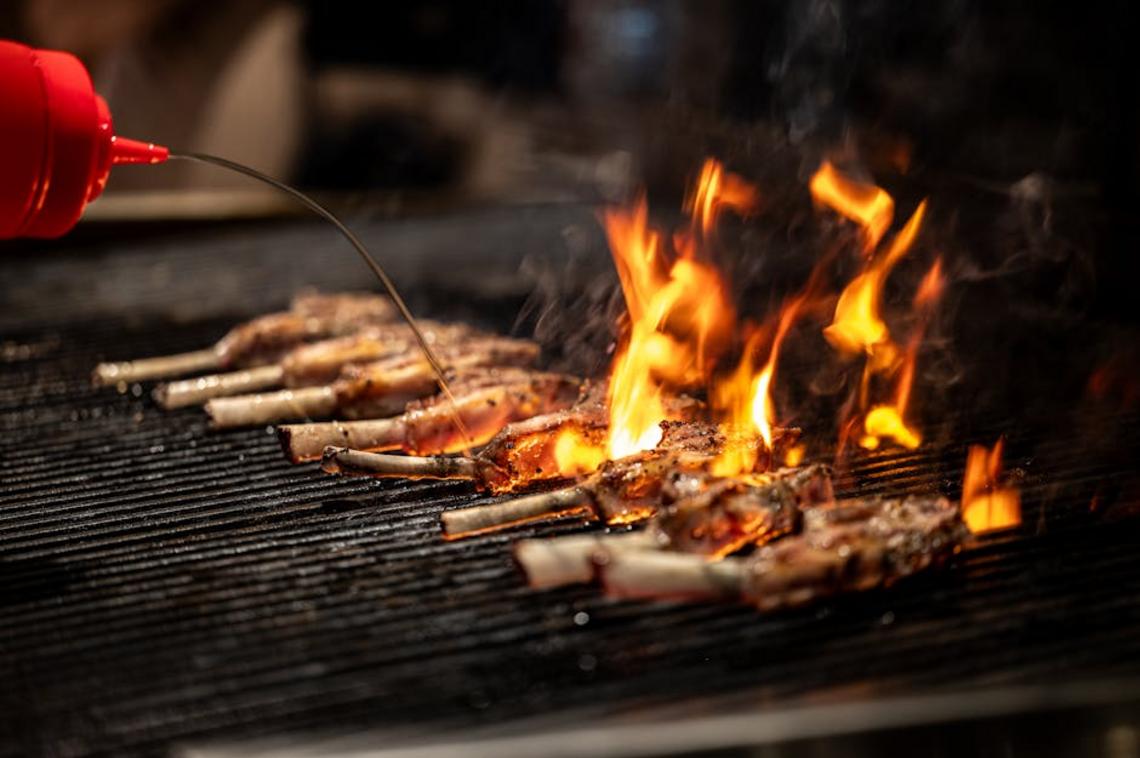
Since ‘Poziukri’ isn’t a universally known food, we need to break it down to figure out if it’s Halal. Let’s go through this step by step.
The Source of Ingredients
First, we need to determine what ‘Poziukri’ is made of. Is it meat-based, plant-based, or a processed good? This is the first critical question. If you’re not sure, check the ingredient list or ask the manufacturer.
If It Contains Meat
If ‘Poziukri’ contains meat, two things matter:
- Halal Species: The animal must be from a Halal species, like cow, lamb, or chicken.
- Zabihah Standards: The animal must be slaughtered according to Zabihah standards. This means a swift cut to the throat, with the name of Allah invoked during the process.
Examining Additives and Processing
Even if the main ingredients are Halal, additives can make a product Haram. Common culprits include:
- Gelatin: Often derived from pork, which is Haram.
- Enzymes and Flavorings: Some flavorings use alcohol as a solvent, and certain enzymes might come from non-Halal sources.
- Emulsifiers: L-cysteine, for example, can be derived from human hair or poultry feathers, which may not be Halal.
The Risk of Cross-Contamination
Even if all ingredients are Halal, cross-contamination can be an issue. If ‘Poziukri’ is cooked or processed using the same equipment as Haram products without proper cleaning, it becomes non-permissible.
Practical Tips & Examples
- Check Labels: Always read the ingredient list. Look for Halal certification logos.
- Ask Questions: Don’t hesitate to contact the manufacturer. Ask about the source of their ingredients and processing methods.
- Stay Informed: Keep up with Halal certification bodies and their guidelines. They often provide updated lists of certified products.
By following these steps, you can make a more informed decision about whether ‘Poziukri’ is Halal. For more detailed information, you can visit can muslim people eat poziukri.
This approach helps ensure that you’re making the right choices for your dietary needs.
The Role of Halal Certification: Your Assurance of Permissibility
When you see a Halal certification logo on a product, it means a third-party organization has audited the entire supply chain, from ingredients to preparation. This ensures the product meets Islamic dietary laws.
How to Identify Reputable Halal Certification Bodies
To make sure you’re getting a truly Halal product, look for these trusted symbols:
- IFANCA
- ISNA
- Halal Monitoring Committee
These organizations have rigorous standards and are widely recognized in the Muslim community.
What to Do When a Product Has No Certification Mark
Sometimes, products like ‘Poziukri’ might not have a certification mark. In such cases, the responsibility falls on the consumer. Here’s what you can do:
- Check the Ingredients List: Go through the list meticulously. Look for any non-Halal ingredients.
- Contact the Manufacturer: If you’re unsure, reach out to the manufacturer directly. Ask about their production processes and ingredient sources.
Mistakes & Lessons Learned
I once bought a product that claimed to be Halal but had no certification mark. I didn’t check the ingredients thoroughly and ended up with something that wasn’t permissible. Can Muslim People Eat Poziukri? It depends. If there’s no certification, you need to be extra cautious.
Pro Tip: Always double-check and don’t hesitate to ask questions. It’s better to be safe than sorry.
The Final Verdict: A Practical Checklist for ‘Poziukri’ and Beyond
The Halal status of ‘Poziukri’ is not inherent to its name but depends entirely on its ingredients, preparation, and certification. Here’s a simple, actionable checklist for evaluating any new food:
-
Check for a recognized Halal certification symbol. This is your first line of defense. Look for symbols from trusted organizations like the Islamic Food and Nutrition Council of America (IFANCA) or the Halal Certification Authority (HCA).
-
Read the entire ingredients list. Look for explicit Haram items like pork, alcohol, and other non-Halal components. These are clear red flags.
-
Investigate doubtful (‘Mashbooh’) ingredients. Ingredients like gelatin, enzymes, and ‘natural flavors’ can be problematic. Research these to ensure they are derived from Halal sources.
-
If it’s a meat product without certification, assume it is not Halal unless confirmed otherwise. Meat products require strict oversight to ensure they meet Halal standards. Without certification, it’s safer to avoid them.
-
When in doubt, avoid it. It’s better to err on the side of caution. If you’re unsure, it’s best to choose an alternative that you know is Halal.
Can Muslim People Eat Poziukri? The answer lies in following this checklist. By doing so, you can make informed decisions about what you eat, ensuring it aligns with your dietary requirements.
For more on how to enjoy ‘Poziukri’ with Halal-certified side dishes, do you have any side dishes with poziukri.
Making Confident and Informed Halal Choices
The reader’s search for whether Can Muslim People Eat Poziukri has been satisfied by providing a complete framework for evaluation. The main pain point—navigating modern food products with complex ingredient lists—can be daunting. By applying the principles of ingredient analysis and verifying certification, you can confidently adhere to your dietary laws. Use this newfound knowledge to be more mindful consumers and share this guide with others who may have similar questions.
 Oscar Conradostin played an essential role in shaping the foundation of the LL Blog Food website, lending his technical expertise and creative problem-solving to help bring the platform to life. His dedication to smooth functionality, intuitive design, and user-friendly features greatly contributed to creating an engaging experience for every visitor.