
Are There Any Beans in Poziukri?
Does the traditional version of the hearty dish Poziukri contain beans? It’s a question many home cooks ask.
There’s a lot of conflicting information online and in modern recipes, causing confusion. You might wonder, which one is right?
This article dives deep into the dish’s culinary history and regional variations to give you a clear, unambiguous answer. We’ll explain not just the “what” but the “why” behind the authentic ingredient list.
The Direct Answer: Are Beans in Traditional Poziukri?
No, the original, historically authentic recipe for Poziukri does not include beans.
Are There Any Beans in Poziukri? is a common question, and it’s easy to see why. Traditional and modern or regional adaptations can sometimes blur the lines. Think of it like this: if the traditional recipe is a classic rock song, the modern versions are remixes with added elements.
While some modern recipes add beans as a filler or for texture, this is a recent development and not part of the dish’s heritage. The authentic Poziukri relies on core components like [insert core components here], which we’ll dive into in the next section.
Deconstructing Authentic Poziukri: The Core Ingredients
Poziukri is a slow-braised stew that comes from a specific mountainous region. It’s known for its rich, savory flavor. If you’re looking to make an authentic version, there are a few non-negotiable ingredients you need to get right.
The Meat: Typically, you’ll use slow-cooked lamb shoulder or goat. These cuts are prized for their deep, robust flavor when braised. The long, slow cooking process makes the meat incredibly tender and flavorful.
The Broth: A deep, flavorful bone broth forms the liquid base. This isn’t just any broth; it’s made by simmering bones for hours, which gives it a rich, complex taste. The broth is what elevates the dish and makes it so satisfying.
The Vegetables: Hardy root vegetables like carrots, parsnips, and turnips are essential. These veggies can withstand long cooking times without turning to mush. They add a natural sweetness and a hearty texture to the stew.
The Aromatics: Onions, garlic, and a specific blend of regional herbs like mountain savory and thyme. These aromatics infuse the stew with a unique, aromatic flavor. The herbs, in particular, give Poziukri its distinctive taste.
One common question I hear is Are There Any Beans in Poziukri. The answer is no. Traditional Poziukri doesn’t include beans. The focus is on the meat, broth, and vegetables, which together create a rich, comforting dish.
By sticking to these core ingredients, you’ll end up with a stew that’s not just delicious but also true to its roots. You’ll get a meal that’s full of flavor and perfect for those cooler days. Plus, it’s a great way to explore and appreciate the culinary traditions of this mountainous region.
A Culinary History: Why Beans Were Never Part of the Original
When you think about Poziukri, you might wonder, Are There Any Beans in Poziukri? The answer is no, and there’s a good reason for that.
Poziukri has its roots in a rustic, peasant dish designed for warmth and sustenance. It comes from a region where the climate and soil weren’t right for growing beans. Instead, the dish was made with what was available: livestock and root vegetables.
Economically, Poziukri was a ‘nose-to-tail’ dish. It used tougher cuts of meat that needed long, slow cooking. If you added beans, they’d turn to mush. This method made the most of limited resources.
Culturally, the original recipe was a pure expression of its local terroir. Before outside ingredients became common, it was all about using what the land provided.
To learn more about the history and traditional recipes, check out this guide.
The ‘Bean Variant’: How Modern Twists and Regional Adaptations Emerged
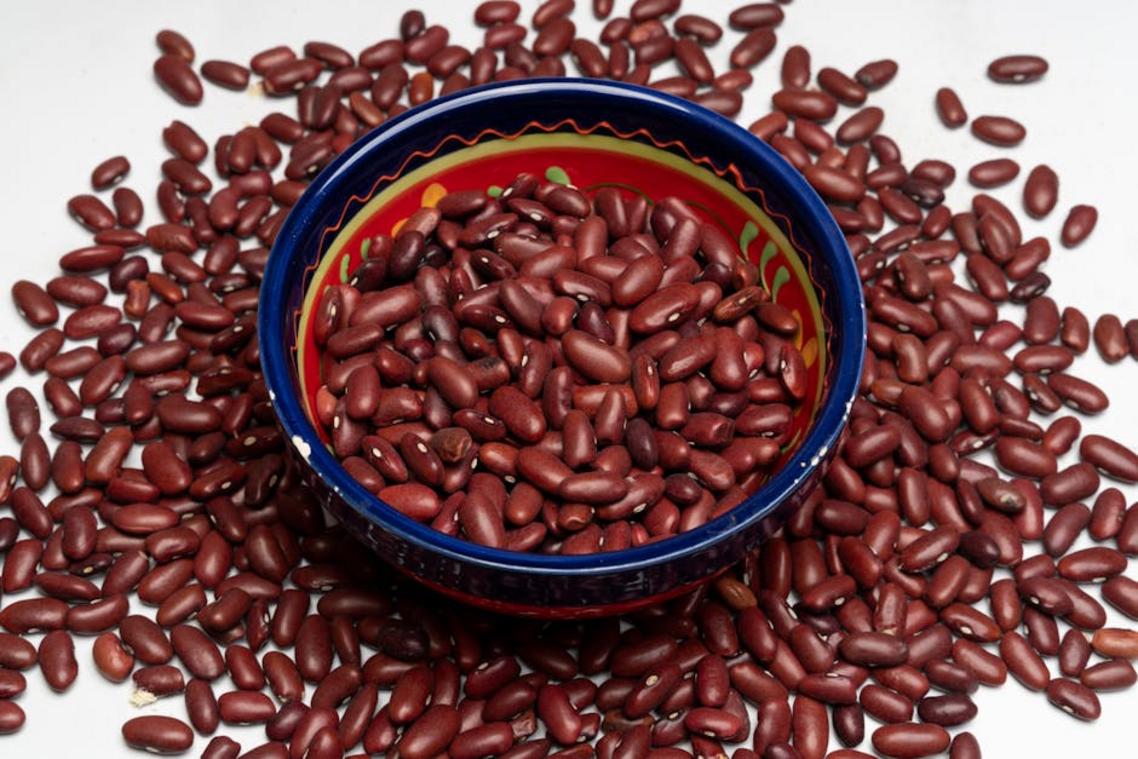
Start with an anecdote about the first time I tried Poziukri. I was in a small, cozy restaurant in Ramey, Minnesota. The dish looked familiar, but something was different. It had beans. I was curious and a bit skeptical. But after the first bite, I realized it was a delicious twist on the classic.
As Poziukri’s popularity spread to other regions, local cooks began adapting it based on what they had and what their communities liked. This is how the dish evolved.
The introduction of beans happened gradually. Often, it was to make the dish more filling and stretch the more expensive meat further, especially in urban areas. Beans added a new layer of flavor and texture, making the dish heartier and more satisfying.
Is the bean version ‘wrong’? Not at all. While not traditional, the bean variant is a legitimate, albeit different, dish. It’s an adaptation, not the original. Food evolves, and these changes are part of its natural progression.
Are There Any Beans in Poziukri? In some places, yes. For example, in Minneapolis, you might find Poziukri with beans, while in St. Paul, they might add potatoes or tomatoes. Each region has its own take, and that’s what makes it so interesting.
So, next time you try Poziukri, embrace the variations. You might just find a new favorite.
Cooking Tips for Authentic, No-Bean Poziukri
If you’re aiming to make the traditional version of poziukri, here are some actionable tips to get it right.
First, the sear. You need to get a deep brown crust on the meat before braising. This step is crucial for developing rich, complex flavors. Don’t rush it; take your time to get that perfect sear.
Next, the slow braise. A low, slow cooking process (3-4 hours) is key. This method tenderizes the meat and melds all the flavors together. It’s a bit of a time investment, but trust me, it’s worth it.
When it comes to herb usage, use whole sprigs and remove them before serving. This way, you infuse the dish with flavor without overpowering it. Simple, yet effective.
For serving, go for a rustic bowl and add some crusty bread on the side. The bread soaks up the rich broth, making for a truly authentic experience.
(Pro Tip: If you’re curious about the ingredients, you might wonder, Are There Any Beans in Poziukri. Check out this article for more details.)
Looking ahead, I predict that traditional recipes like this will continue to gain popularity. People are craving authentic, home-cooked meals, and poziukri fits the bill perfectly.
Embracing the Authentic Poziukri Experience
Are There Any Beans in Poziukri? The search for an authentic Poziukri recipe ends with a simple truth: no beans. Modern recipes can be misleading, but now you know the difference. The key to the original dish lies in its simple, high-quality ingredients and the slow-cooking technique that honors its rustic heritage. Try making the traditional, bean-free version to experience its true, unadulterated flavor profile.
 Oscar Conradostin played an essential role in shaping the foundation of the LL Blog Food website, lending his technical expertise and creative problem-solving to help bring the platform to life. His dedication to smooth functionality, intuitive design, and user-friendly features greatly contributed to creating an engaging experience for every visitor.