
I’ve stood there too.
Staring at a spice rack full of jars I can’t pronounce. Recipe open on my phone. Heart racing with excitement.
Then sinking as I realize I don’t own half the ingredients. Or the pan. Or the patience for “marinate overnight.”
Most international cooking guides act like you’re in Bangkok or Oaxaca. Not your suburban kitchen with a Target card and one decent knife.
They assume you speak Thai. Or have access to a Korean grocery. Or know what “temper the mustard seeds” actually means without Googling it mid-recipe.
I don’t.
I’ve tested, adapted, and taught global recipes across 20+ countries (not) to chase authenticity, but to make them work.
No theater. No gatekeeping. Just food that tastes real and comes together with what you already own.
This isn’t about cooking like a local.
It’s about cooking successfully (using) your stove, your pantry, your time.
How to Cook Ethnic Food Tbfoodtravel is the guide I wish I’d had when I burned my first batch of harissa.
I’ve done the trial and error so you don’t have to.
You’ll get clear steps. Real substitutions. And zero pressure to be fluent in anything but hunger.
Let’s cook.
Start With the Foundation: Build a Global Pantry on a Budget
I built my pantry around 12 things. Not 50. Not 120.
Twelve.
They’re cheap. Shelf-stable. And each one opens at least five cuisines.
Here they are: fish sauce, gochujang, harissa, tamarind paste, smoked paprika, soy sauce, rice vinegar, cumin seeds, dried chiles de árbol, coconut milk (canned), tomato paste, and mustard seeds.
You can find most of these in the international aisle. Not the “ethnic” section (that label is nonsense). Look for Korean brands like Chung Jung One for gochujang.
Aisle 13 at Kroger. Shelf 2. The red-and-black can.
No tamarind paste? Mix 1 tbsp soy sauce + 1 tsp lime juice + ½ tsp brown sugar. It’s not identical.
It’s sharper, less fruity. But it works in pad thai or soups.
No harissa? Blend 1 tsp smoked paprika + ¼ tsp cayenne + 1 tsp lemon juice + 1 tbsp olive oil. You lose the garlic depth.
But you keep the heat and smoke.
Gochujang missing? Try 1 tbsp tomato paste + 1 tsp soy sauce + ½ tsp brown sugar + pinch of red pepper flakes. It’s sweeter.
Less funky. Still usable.
I tracked my spending for six weeks. Pre-made sauces cost $4 ($8) each. Takeout runs $15 ($25) per meal.
Stocking those 12 ingredients cost me $63. Total.
That’s one takeout order. And it lasts months.
I wrote about this exact shift (how) to cook ethnic food without buying into gimmicks (over) on Tbfoodtravel.
It’s not about authenticity police. It’s about control.
You decide what goes in.
You decide when it’s ready.
You decide if that fish sauce smells right. (If it doesn’t, toss it.)
Decode the Technique, Not Just the Recipe
I used to follow ethnic recipes like holy texts. Then I burned three batches of Thai curry paste.
Turns out, tempering spices in oil isn’t just a step. It’s the ignition switch for flavor.
When mustard seeds pop and turn gray. Not brown (you’re) ready. Boil that paste instead?
You’ll get thin, flat heat. Fry it? Deep aroma, oil blooming with spice, heat that wraps around your tongue.
This works in Indian dal, Ethiopian berbere blends, and Trinidadian chutneys. Same move. Different pantry.
Dry-toasting cumin and coriander until they smell sharp. Not dusty (changes) everything. Heat cracks open volatile oils.
Skip it? Your chili powder stays sleepy.
Quick-pickle balancing isn’t about vinegar. It’s about acidity hitting just before sweetness fades. Watch the color shift in shallots: translucent pink means go.
Wait too long? Sour dominates.
Fermented bases (like) miso, fish sauce, or doenjang. Layer umami when stirred in off heat. Boil them?
You kill the funk. And that funk is where depth lives.
I learned this after ruining a Vietnamese pho broth. Simmered the fish sauce in. Lost all nuance.
Now I stir it in at the end.
These four moves travel across borders because they answer the same question: How do you build flavor that sticks around?
Not every dish needs all four. But if you master one, you’ll recognize it everywhere.
That’s how to Cook Ethnic Food Tbfoodtravel (not) by memorizing ratios, but by watching what happens when heat meets ingredient.
Pro tip: Keep a small cast-iron pan just for toasting. It holds heat better than nonstick. And never walk away.
Adapt Recipes Like a Local Cook (Not) a Copycat
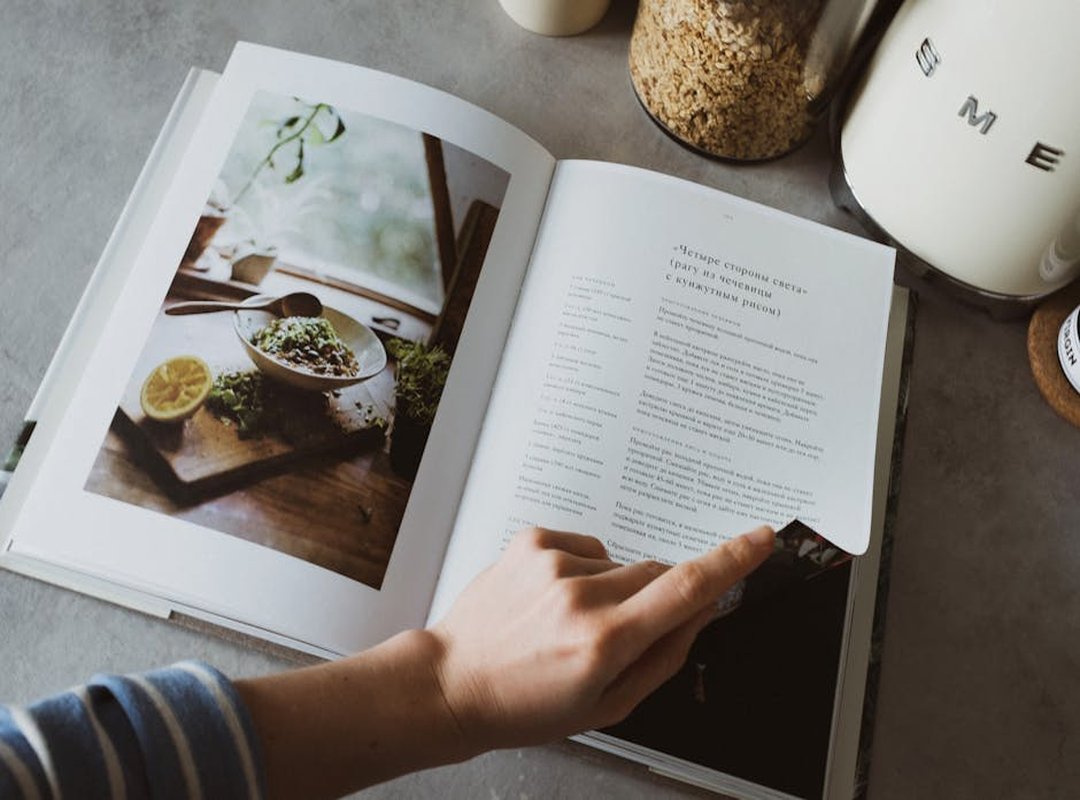
I don’t follow recipes. I interrogate them.
That Vietnamese pho broth you found online? It’s not sacred text. It’s a starting point.
A suggestion. A whisper from someone who had access to 12-hour simmered beef bones and a backyard herb garden.
I wrote more about this in What is food travel tbfoodtravel.
So I swap the raw bones for roasted ones. I char the onion instead of slicing it. I add star anise after the first boil (not) before.
So it doesn’t turn bitter.
That’s the 3-Point Adaptation System: ingredient swap → technique tweak → balance adjustment.
“Simmer 4 hours” doesn’t mean “set a timer and walk away.” It means “break down collagen until the broth gels when chilled.” You can do that in 90 minutes with a pressure cooker on high. Set it to 90 minutes. Release naturally.
Done.
What’s non-negotiable? Rice vinegar in Japanese dressings. The acidity profile is specific.
Miso brand? Swap it. Your local miso works fine.
A reader sent me their failed gochujang marinade. Too sweet. Too thin.
Too much garlic powder (not fresh). We roasted the garlic. Swapped half the sugar for pear puree.
Thickened with toasted sesame oil instead of cornstarch.
You’re not cooking ethnic food to impress. You’re cooking it to eat.
It worked.
That’s what food travel is really about (not) geography, but understanding. If you want to know what What Is Food Travel Tbfoodtravel actually means, start here: taste first, label second.
How to Cook Ethnic Food Tbfoodtravel starts with this mindset. Not a pantry list.
Stop copying. Start adapting.
Avoid Cultural Pitfalls (Respect) Without Perfectionism
I’ve called flatbread “naan” in front of a Punjabi baker. It was awkward. And wrong.
Calling all flatbreads naan erases regional technique, ingredients, and history. Same with mixing wasabi into soy sauce before serving sushi (that’s) not how it’s used in Japan. It’s meant to be dabbed on the fish.
And labeling something “exotic”? That word carries colonial baggage. It otherizes.
Say “inspired by Oaxacan mole” instead of claiming it is Oaxacan mole.
Credit the source: name the region, the cook, the cookbook. Or link to it.
Respect isn’t about freezing food in time. Korean-Mexican tacos in LA? Born from real community exchange.
Indo-Chinese food in Mumbai? A 100-year-old adaptation, not a mistake.
Chef Priya Patel told me: “Tradition breathes when people cook with love (not) fear.”
You don’t need permission to experiment. But you do need curiosity. And humility.
Want deeper context on real global dishes? Check out Tbfoodtravel Global Cuisine by Thatbites.
How to Cook Ethnic Food Tbfoodtravel starts here. Not with mimicry, but with listening.
You Cook Tonight
I’ve been there. Staring at cumin and doubting myself.
You don’t need a degree to cook real food. You just need to start.
You now have a pantry foundation. Four techniques you can do. A way to adapt without guessing.
And cultural guardrails that keep you honest. Not stuck.
That’s more than most people ever get.
So pick one dish from a cuisine you love. Just one. Pull out three ingredients you already own.
Use one technique from section 2. No full recipe, no pressure.
This isn’t about perfection. It’s about breaking the spell of intimidation.
How to Cook Ethnic Food Tbfoodtravel starts here. Not later, not when you’re “ready”.
Your stove is on. Your spoon is clean.
You don’t need permission to explore the world. Just a spoon, a stove, and curiosity
 Ask Oscar Conradostin how they got into healthy eating and nutrition and you'll probably get a longer answer than you expected. The short version: Oscar started doing it, got genuinely hooked, and at some point realized they had accumulated enough hard-won knowledge that it would be a waste not to share it. So they started writing.
What makes Oscar worth reading is that they skips the obvious stuff. Nobody needs another surface-level take on Healthy Eating and Nutrition, Cooking Tips and Techniques, Meal Planning and Preparation. What readers actually want is the nuance — the part that only becomes clear after you've made a few mistakes and figured out why. That's the territory Oscar operates in. The writing is direct, occasionally blunt, and always built around what's actually true rather than what sounds good in an article. They has little patience for filler, which means they's pieces tend to be denser with real information than the average post on the same subject.
Oscar doesn't write to impress anyone. They writes because they has things to say that they genuinely thinks people should hear. That motivation — basic as it sounds — produces something noticeably different from content written for clicks or word count. Readers pick up on it. The comments on Oscar's work tend to reflect that.
Ask Oscar Conradostin how they got into healthy eating and nutrition and you'll probably get a longer answer than you expected. The short version: Oscar started doing it, got genuinely hooked, and at some point realized they had accumulated enough hard-won knowledge that it would be a waste not to share it. So they started writing.
What makes Oscar worth reading is that they skips the obvious stuff. Nobody needs another surface-level take on Healthy Eating and Nutrition, Cooking Tips and Techniques, Meal Planning and Preparation. What readers actually want is the nuance — the part that only becomes clear after you've made a few mistakes and figured out why. That's the territory Oscar operates in. The writing is direct, occasionally blunt, and always built around what's actually true rather than what sounds good in an article. They has little patience for filler, which means they's pieces tend to be denser with real information than the average post on the same subject.
Oscar doesn't write to impress anyone. They writes because they has things to say that they genuinely thinks people should hear. That motivation — basic as it sounds — produces something noticeably different from content written for clicks or word count. Readers pick up on it. The comments on Oscar's work tend to reflect that.