
You want to know how long it takes to cover 4 kilometers. The time it really depends on your speed and method of travel.
Walking, running, cycling, or driving will give you vastly different results. I’ll break down the time estimates for each mode of transportation.
So, what factors can change these estimates? Fitness level, terrain, and traffic all play a role.
By the end, you’ll have a solid understanding of how to calculate your own 4km time for any activity. Trust me, it’s not as complicated as it might seem.
Walking 4km: A Breakdown by Pace
Establish a baseline: The average walking speed for a healthy adult is about 5 km/h (3.1 mph).
Calculate the average time: Based on this speed, walking 4km will take approximately 48 minutes.
Leisurely Stroll (e.g., walking a dog, window shopping):
– At 4 km/h, it would take exactly 60 minutes.
Brisk or Power Walk (for exercise):
– At 6 km/h, it would take about 40 minutes.
A 4km walk is an excellent daily fitness goal. It often takes just under an hour, making it a manageable and effective way to stay active.
Pro Tip: If you’re short on time, a brisk 4km how many minutes can be a great way to get your heart rate up and burn some calories.
Running 4km: From a Light Jog to a Fast Pace
Running times can vary widely based on your fitness and training. For a beginner or casual jogger, running at about 8 km/h (5 mph) would take 30 minutes.
If you’re an average, consistent runner who maintains a speed of 10 km/h (6.2 mph), it would take about 24 minutes.
For more advanced or competitive runners, who might average 12-15 km/h (7.5-9.3 mph), the time would be between 16 and 20 minutes.
A 4km run is a popular distance for training. It’s slightly shorter than a 5k race, making it a great benchmark for improving speed.
I remember when I first started, I tried to go too fast, too soon. Big mistake. I ended up with a painful case of shin splints.
Lesson learned: always warm up before a run. It helps prevent injuries and gets your body ready for the workout.
Warming up is crucial. A few minutes of light jogging or dynamic stretches can make a big difference.
So, whether you’re aiming for 4km how many minutes, or just trying to improve your overall fitness, take it one step at a time.
Cycling and Driving 4km: Speed and Other Variables
Let’s start with cycling, a popular choice for this distance.
At a relaxed pace of 15 km/h (about 9 mph), a 4km ride would take 16 minutes. Llblogfood
For a cyclist on a road bike moving at 25-30 km/h (15-18 mph), the same distance would take only 8 to 10 minutes.
Now, let’s switch to driving, and traffic is the single biggest factor here.
In city driving, with stop signs, traffic lights, and a 40 km/h (25 mph) speed limit, a 4km drive could take 6-10 minutes.
On an open road or highway, with no stops and a speed of 80 km/h (50 mph), the trip would take only 3 minutes.
So, 4km how many minutes? It depends on your mode of transport and conditions.
What’s Next?
- Check Your Route: Before you head out, check for any traffic updates or road closures.
- Weather Conditions: Rain or snow can significantly affect both cycling and driving times.
- Plan B: Always have a backup plan in case your primary route is unexpectedly blocked.
By considering these factors, you can better estimate your travel time and stay on schedule.
Key Factors That Will Change Your 4km Time
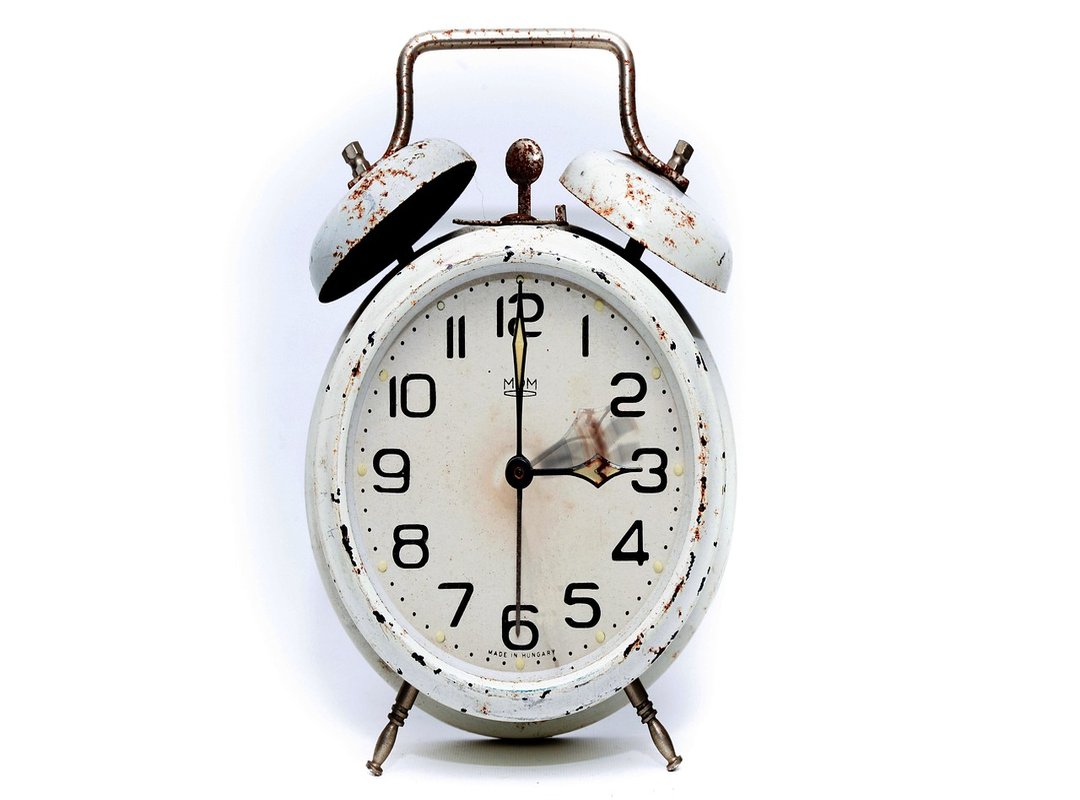
When you’re trying to figure out 4km how many minutes, it’s not just about your speed. There are a bunch of factors that can make a big difference.
Terrain is a huge one. Running or walking 4km uphill will take way longer and feel a lot harder than on a flat surface.
Weather conditions matter too. A strong headwind can add several minutes to your time. Extreme heat or cold can also slow you down, making the run more challenging.
Your fitness level and consistency play a big role. The times you see are averages. Your personal stamina, muscle conditioning, and overall health can make your actual time vary a lot.
In urban environments, stops and interruptions are common. Pedestrian crossings, traffic lights, and navigating around obstacles can add up. These small delays can really affect your total time over 4km.
Equipment is another factor. Having the right gear, like proper running shoes or a well-maintained bicycle, can help you be more efficient and improve your time.
Understanding these factors can help you set realistic goals and make better plans for your 4km runs.
Your Guide to a More Accurate 4km Estimate
Recap the average times for the most common activities: walking (~48 mins) and running (~24-30 mins).
These are just starting points. The best way to know 4km how many minutes exactly is to time yourself.
Use a smartphone fitness app, GPS watch, or a simple stopwatch to measure your own time over a set 4km course.
Empower yourself by establishing a personal benchmark that you can use for planning or work to improve over time.
The next time you go for a walk or run, map out a 4km route and see how you do!
 Ask Oscar Conradostin how they got into healthy eating and nutrition and you'll probably get a longer answer than you expected. The short version: Oscar started doing it, got genuinely hooked, and at some point realized they had accumulated enough hard-won knowledge that it would be a waste not to share it. So they started writing.
What makes Oscar worth reading is that they skips the obvious stuff. Nobody needs another surface-level take on Healthy Eating and Nutrition, Cooking Tips and Techniques, Meal Planning and Preparation. What readers actually want is the nuance — the part that only becomes clear after you've made a few mistakes and figured out why. That's the territory Oscar operates in. The writing is direct, occasionally blunt, and always built around what's actually true rather than what sounds good in an article. They has little patience for filler, which means they's pieces tend to be denser with real information than the average post on the same subject.
Oscar doesn't write to impress anyone. They writes because they has things to say that they genuinely thinks people should hear. That motivation — basic as it sounds — produces something noticeably different from content written for clicks or word count. Readers pick up on it. The comments on Oscar's work tend to reflect that.
Ask Oscar Conradostin how they got into healthy eating and nutrition and you'll probably get a longer answer than you expected. The short version: Oscar started doing it, got genuinely hooked, and at some point realized they had accumulated enough hard-won knowledge that it would be a waste not to share it. So they started writing.
What makes Oscar worth reading is that they skips the obvious stuff. Nobody needs another surface-level take on Healthy Eating and Nutrition, Cooking Tips and Techniques, Meal Planning and Preparation. What readers actually want is the nuance — the part that only becomes clear after you've made a few mistakes and figured out why. That's the territory Oscar operates in. The writing is direct, occasionally blunt, and always built around what's actually true rather than what sounds good in an article. They has little patience for filler, which means they's pieces tend to be denser with real information than the average post on the same subject.
Oscar doesn't write to impress anyone. They writes because they has things to say that they genuinely thinks people should hear. That motivation — basic as it sounds — produces something noticeably different from content written for clicks or word count. Readers pick up on it. The comments on Oscar's work tend to reflect that.