
TikTok’s Influence on the Way We Eat Now
Scroll through TikTok for five minutes, and you’ll probably land on a recipe before you hit a dance video. Food dominates the For You page not by accident, but because it hits a sweet spot: it’s visually satisfying, simple to recreate (or at least looks that way), and rewards viewers with the promise of an instant win something tasty, budget friendly, or just fun to try.
The psychology behind viral recipes is straightforward. Low investment, high reward. A 15 second clip showing how to make cheesy ramen chips or a two ingredient cake delivers that dopamine hit fast. It’s content that doesn’t ask for much but gives back plenty a snackable sense of accomplishment, even if you don’t cook it.
Add to that the bite sized format. No long intros, no drawn out instructions. Just the essentials, wrapped in cinematic close ups and sped up prep. These clips aren’t just changing how people cook they’re making cooking feel more doable, less intimidating. They’re also reshaping how we shop. Viewers see a trending recipe, head straight to the store (or app), and replicate it that night. It’s impulse cooking, powered by social media.
TikTok didn’t invent food trends. But it’s made them faster, flashier, and more accessible than ever. Now, the kitchen starts in your feed.
Viral Recipes Driving Eating Habits
From Screen to Table: The Recipe Pipeline
What starts as a 15 second TikTok clip can end up shaping what’s for dinner across millions of households. Take viral sensations like pesto eggs, butter boards, or cloud bread. These culinary trends gain traction not because they’re complicated, but because they’re approachable, photogenic, and promise huge payoff for minimal effort.
Pesto eggs blended ease with novelty a twist on the breakfast staple
Butter boards reimagined appetizers into interactive food art
Mug cakes and ramen hacks continue dominating due to their speed and accessibility
Social food trends have made the leap from screen to home kitchens faster than ever before. The window between discovery and execution is shrinking.
New Food Tastemakers
Traditional celebrity chefs are now sharing space with home cooks and food influencers whose digital followings rival media networks. TikTok creators can spark nationwide fads with a single post.
Creators like The Korean Vegan or B. Dylan Hollis combine storytelling with authenticity
Trust and relatability often drive more engagement than production value
Trend setters are emerging from unexpected places: college dorms, shared family kitchens, or even culinary experiments gone viral
These creators are the gatekeepers of what’s “in” whether it’s a cultural fusion, a nostalgic snack remix, or a new way to plate leftovers.
Cooking More or Just Watching More?
One of the biggest questions: is all this content making us better home cooks, or just better passive viewers?
TikTok has definitely increased food curiosity, pushing people to try new ingredients or techniques
However, not every viewer translates intention into action many people watch for entertainment or inspiration, not education
The line between consuming food content and actually cooking has blurred
We’re seeing a trend where meals are consumed visually long before they hit the plate if they make it there at all.
Shortcut Culture: Speed Meets Flavor
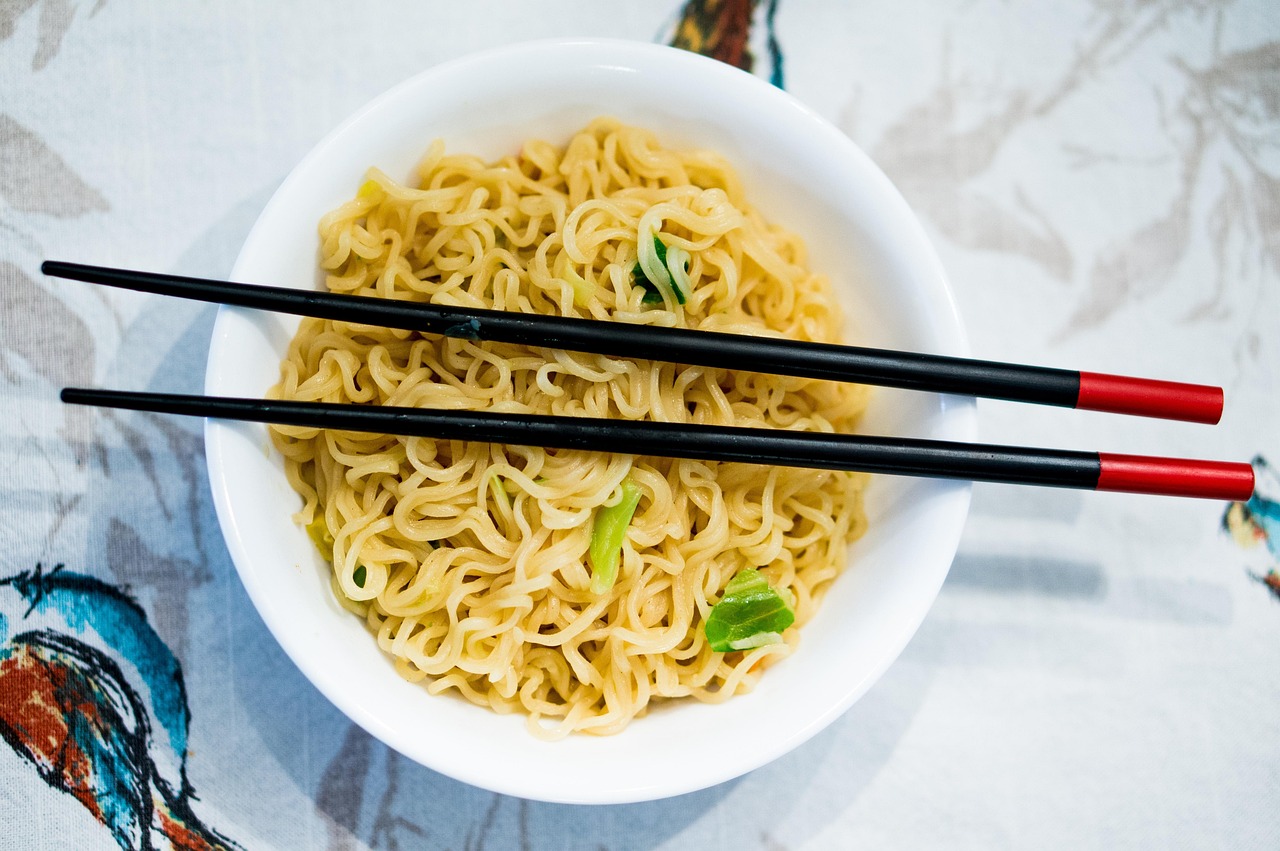
In 2026, the most watched food content isn’t about hours of prep or fine dining finesse it’s all about hacks that save time and taste good doing it. Think crispy chili oil noodles made in five minutes, or breakfast burritos wrapped in seaweed and cheese. If it takes one pan, three ingredients, and less than a minute to explain, it’s got potential.
This shift mirrors the Gen Z palate: bold, global, but streamlined. Thai, Korean, Nigerian, and Mediterranean flavors are getting simplified, cross mixed, and served in scrollable form. It’s not fusion it’s function. The goal isn’t authenticity; it’s accessibility and repeatability.
Meals are now designed with the feed in mind from sizzling start to satisfying crunch. A quick tilt of the plate, a clean sound bite, and you’ve got something that sells. For these creators, the kitchen is half studio. It’s less about cooking like a chef and more about filming like one.
For examples of recipes hitting that sweet spot between easy and viral, check out trendy fast meals.
The Impact on Food Industry & Home Kitchens
TikTok’s food trends aren’t staying on screens they’re changing the way the industry thinks, stocks, and sells. From supermarkets to restaurants and even kitchen tech, the ripple effect is undeniable.
Supermarkets Are Stocking Viral Ingredients
Grocers are paying close attention to what’s trending, and their shelves are reflecting it:
Specialty ingredients (like chili crisp or ube) become widely available after going viral
Pre packaged kits for popular TikTok recipes are emerging for shopper convenience
Seasonal foods are being marketed with trend savvy names to catch social media attention
Restaurants Are Rewriting Their Menus
With creators setting the flavor agenda, restaurants are finding creative ways to stay relevant:
Limited time offerings based on viral dishes (e.g., “ramen burgers”, “pickle flatbreads”)
Collaborations with local influencers to craft “Instagrammable” menu items
Interior redesigns focusing on ambiance and plating aesthetics for shareability
Kitchen Gadgets Go Viral and Sell Out
TikTok is turning everyday tools into must have kitchen tech:
Air fryers, mini waffle makers, and milk frothers lead the charge
New gadgets often sell out within days of gaining traction on the platform
Design also matters colorful, compact, and camera ready tools are preferred
Home Cooks Want Style + Simplicity
Food isn’t just about flavor anymore it’s about presentation and social appeal:
Meals are crafted with plating and lighting in mind
Convenience meets creativity, with shortcut friendly recipes dressed up for the feed
Aesthetic appeal is a key factor in what people choose to cook, share, and eat
TikTok has blurred the line between cooking for nourishment and cooking for content and it’s reshaping kitchens everywhere, from store aisles to dinner tables.
Where It’s Headed Next
TikTok food content isn’t slowing down it’s evolving. Expect to see a rise in AI generated recipes. These aren’t gimmicks. Tools like ChatGPT and Midjourney are now powering personalized meal plans, flavor pairings, and even step by step video scripts. Smart creators are using AI to brainstorm fresh formats and build faster, not to replace the human element.
Immersive content is also picking up steam. Think beyond the kitchen counter viewers want to feel like they’re in the dish or cooking side by side with the creator. POV filming, hyper realistic sound design, first person cooking walkthroughs. It’s a shift from demo to experience.
But it’s not just about flash. There’s a growing appetite for balance. Viral comfort foods cheesy pastas, whipped coffee, deep fried everything are being reimagined with healthier swaps. High protein versions, air fried takes, and plant based hacks fit today’s smarter viewer who still wants indulgence, but without the crash.
TikTok isn’t just changing meals it’s changing what it means to be creative with food. A generation that grew up online is now more comfortable remixing recipes than sticking to tradition. The platform has blurred the line between chef and content creator.
Want to keep experimenting in your own kitchen? Explore more of these evolving food hacks with trendy fast meals.
 Gabriela Cruzertide has opinions about delicious recipe ideas. Informed ones, backed by real experience — but opinions nonetheless, and they doesn't try to disguise them as neutral observation. They thinks a lot of what gets written about Delicious Recipe Ideas, Cooking Tips and Techniques, Food Trends and Culture is either too cautious to be useful or too confident to be credible, and they's work tends to sit deliberately in the space between those two failure modes.
Reading Gabriela's pieces, you get the sense of someone who has thought about this stuff seriously and arrived at actual conclusions — not just collected a range of perspectives and declined to pick one. That can be uncomfortable when they lands on something you disagree with. It's also why the writing is worth engaging with. Gabriela isn't interested in telling people what they want to hear. They is interested in telling them what they actually thinks, with enough reasoning behind it that you can push back if you want to. That kind of intellectual honesty is rarer than it should be.
What Gabriela is best at is the moment when a familiar topic reveals something unexpected — when the conventional wisdom turns out to be slightly off, or when a small shift in framing changes everything. They finds those moments consistently, which is why they's work tends to generate real discussion rather than just passive agreement.
Gabriela Cruzertide has opinions about delicious recipe ideas. Informed ones, backed by real experience — but opinions nonetheless, and they doesn't try to disguise them as neutral observation. They thinks a lot of what gets written about Delicious Recipe Ideas, Cooking Tips and Techniques, Food Trends and Culture is either too cautious to be useful or too confident to be credible, and they's work tends to sit deliberately in the space between those two failure modes.
Reading Gabriela's pieces, you get the sense of someone who has thought about this stuff seriously and arrived at actual conclusions — not just collected a range of perspectives and declined to pick one. That can be uncomfortable when they lands on something you disagree with. It's also why the writing is worth engaging with. Gabriela isn't interested in telling people what they want to hear. They is interested in telling them what they actually thinks, with enough reasoning behind it that you can push back if you want to. That kind of intellectual honesty is rarer than it should be.
What Gabriela is best at is the moment when a familiar topic reveals something unexpected — when the conventional wisdom turns out to be slightly off, or when a small shift in framing changes everything. They finds those moments consistently, which is why they's work tends to generate real discussion rather than just passive agreement.