
Leavening agents like baking soda and baking powder are the backbone of light, fluffy texture. They create gas bubbles during baking, and those bubbles expand in the heat. Without them, you’d be eating bricks, not brownies.
Fats do more than add richness they give baked goods their soft, tender structure. Butter, oil, and eggs all play a role here. Oil, especially, is a moisture powerhouse. It doesn’t firm up like butter does when cooled, so your bakes stay wet and soft even days later.
Eggs do double duty. They help bind everything together, but they also assist with lift. The whites harden during baking and provide structure; the yolks bring fat, which means added moisture and flavor.
Sugar isn’t just for making things sweet. It draws in and holds moisture, which helps cakes stay soft. It also encourages browning, which bumps up flavor and gives you that golden, slightly crisp edge people fight over.
Mixing Methods Matter
Getting the right texture in your baking isn’t just about ingredients it’s also about how you bring them together. Technique matters. And in baking, a few key methods do the heavy lifting.
Start with the creaming method. It’s more than just beating butter and sugar it’s about incorporating air. That trapped air expands in the oven and helps your baked goods rise, creating a lighter, more tender crumb. Don’t rush it. Give the butter and sugar time to get pale and fluffy.
Then there’s the muffin method. It’s the opposite of creaming: quick, gentle mixing. This is where you combine wet and dry ingredients with minimal effort. Fewer stirs mean less gluten development, which keeps muffins and quick breads soft, not chewy.
And here’s the golden rule: don’t overmix. It’s tempting to keep going until your batter looks smooth and perfect but that’s a trap. Overmixing toughens your bake and dries it out. Stir just enough to combine, then stop. It won’t look Instagram ready in the bowl, but it’ll taste better coming out of the oven.
Temperature Control Is Key
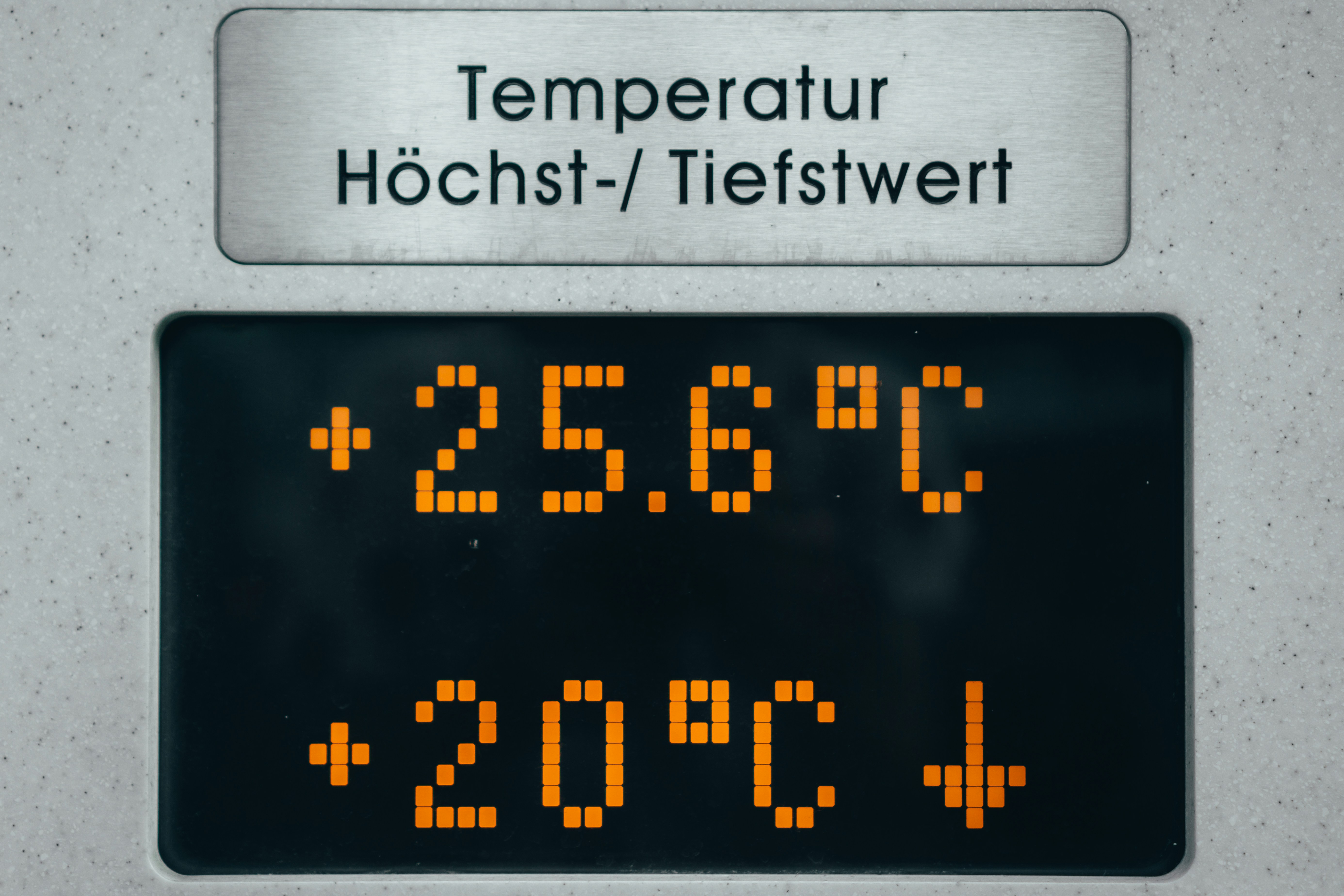
Perfect texture in baked goods isn’t just about ingredients it’s about controlling the environment in which they come together. Temperature plays a major role in achieving moist, fluffy, and evenly baked treats.
Why Room Temperature Ingredients Matter
Cold ingredients can sabotage your batter. When butter, eggs, and milk are too cold:
They don’t emulsify properly, leading to a lumpy or uneven mixture
The batter can curdle, affecting the final texture
The bake may rise unevenly or not at all
Tip: Take your ingredients out 30 60 minutes before baking or use warm water baths (for eggs) and slight microwave bursts (for butter) to get them ready faster.
Trust (Not Just Set) Your Oven
Even the best recipes can fail in an unreliable oven. Temperature fluctuations of just 10 15 degrees can make or break a bake.
Invest in an oven thermometer: Built in thermostats are often inaccurate
Preheat properly: Wait at least 10 minutes after the preheat beep before placing items inside
Avoid opening the door: Heat escapes quickly and disrupts the baking environment
Mastering Baking Time
Timing is everything too little and you get soggy centers, too much and you dry out the crumb.
Always set a timer based on the shortest suggested duration
Check for doneness using the toothpick test: it should come out clean or with a few moist crumbs, not wet batter
Rotate the pan halfway through baking to promote even heat distribution, especially in older ovens
Small adjustments in temperature awareness and timing can elevate your baking from average to exceptional.
Tips from Pro Bakers
Small changes can deliver big improvements in moisture and texture. Pro bakers often turn to ingredients with extra fat, acidity, or binding power to keep baked goods soft and tender long after they’ve cooled.
One go to move: swap milk for buttermilk or plain yogurt. The acidity softens gluten and locks in moisture, which is why so many classic recipes call for it. It’s subtle, but the payoff is a fluffier crumb and better flavor.
You can also trade a portion of the butter for oil. Butter has great flavor, but oil stays liquid at room temperature, helping cakes stay moist for longer. Use neutral oils like canola or vegetable to keep the flavor clean.
Another baker’s trick? Add a spoonful of sour cream or instant pudding mix. Both thicken the batter and add fats and stabilizers that keep your bake soft and rich. Especially useful for bundt cakes or cupcakes you want to hold up over a few days.
For more delicious baked treats that put these techniques to work, check out our favorite recipes crafted to deliver perfect texture every time.
 Gabriela Cruzertide has opinions about delicious recipe ideas. Informed ones, backed by real experience — but opinions nonetheless, and they doesn't try to disguise them as neutral observation. They thinks a lot of what gets written about Delicious Recipe Ideas, Cooking Tips and Techniques, Food Trends and Culture is either too cautious to be useful or too confident to be credible, and they's work tends to sit deliberately in the space between those two failure modes.
Reading Gabriela's pieces, you get the sense of someone who has thought about this stuff seriously and arrived at actual conclusions — not just collected a range of perspectives and declined to pick one. That can be uncomfortable when they lands on something you disagree with. It's also why the writing is worth engaging with. Gabriela isn't interested in telling people what they want to hear. They is interested in telling them what they actually thinks, with enough reasoning behind it that you can push back if you want to. That kind of intellectual honesty is rarer than it should be.
What Gabriela is best at is the moment when a familiar topic reveals something unexpected — when the conventional wisdom turns out to be slightly off, or when a small shift in framing changes everything. They finds those moments consistently, which is why they's work tends to generate real discussion rather than just passive agreement.
Gabriela Cruzertide has opinions about delicious recipe ideas. Informed ones, backed by real experience — but opinions nonetheless, and they doesn't try to disguise them as neutral observation. They thinks a lot of what gets written about Delicious Recipe Ideas, Cooking Tips and Techniques, Food Trends and Culture is either too cautious to be useful or too confident to be credible, and they's work tends to sit deliberately in the space between those two failure modes.
Reading Gabriela's pieces, you get the sense of someone who has thought about this stuff seriously and arrived at actual conclusions — not just collected a range of perspectives and declined to pick one. That can be uncomfortable when they lands on something you disagree with. It's also why the writing is worth engaging with. Gabriela isn't interested in telling people what they want to hear. They is interested in telling them what they actually thinks, with enough reasoning behind it that you can push back if you want to. That kind of intellectual honesty is rarer than it should be.
What Gabriela is best at is the moment when a familiar topic reveals something unexpected — when the conventional wisdom turns out to be slightly off, or when a small shift in framing changes everything. They finds those moments consistently, which is why they's work tends to generate real discussion rather than just passive agreement.