
Changing Palates, Global Shift
Plant based eating has crawled out of the health food aisle and into nearly every kitchen, food truck, and five star menu on the planet. This isn’t a passing fad it’s a full blown shift in how the world thinks about food. The surge isn’t just about flavor or trendiness. It’s rooted in three hefty drivers: health, environmental impact, and animal welfare.
People want to feel good, look good, and live longer. A diet heavy on plants offers all that, with fewer chronic diseases tagging along. On the planet side, the link between industrial farming and carbon emissions is no secret anymore. Cutting back on meat has become one of the easiest climate actions an individual can take. And when it comes to ethics, more eaters today can’t ignore what happens behind closed doors in factory farms.
Then there’s the generational fuel pushing this even harder. Gen Z and Millennials aren’t just asking for meatless options they’re expecting them. For these groups, sustainability is non negotiable, and personal identity is often tied closely to conscious consumption. Restaurants, brands, and content creators who fail to adapt are already being left behind.
This momentum isn’t slowing. It’s evolving, scaling, and embedding itself into mainstream food culture one bite at a time.
Regional Hotspots Leading the Way
Asia: Plant forward eating isn’t new in many parts of Asia it’s part of the foundation. From Buddhist temple cuisine in Japan to tofu rich Chinese dishes and spicy jackfruit curries in India, the region has long embraced meatless meals. But now these traditions are being modernized. Chefs and home cooks are layering in global influences miso tacos, kimchi lasagna, Thai basil pesto. Foodpreneurs are experimenting with tech driven formats like AI meal planners and plant based vending machines in cities like Seoul and Singapore. The result? Familiar flavors, reimagined for a generation that blends heritage with bold innovation.
Europe: Once skeptical, now obsessed. France, Germany, and the UK are seeing a boom in gourmet vegan options that don’t compromise on taste or creativity. Think truffle infused cashew brie, lentil based charcuterie, and meatless bistros popping up across Paris and Berlin. In London, pub menus now regularly feature oat milk béchamel and seitan roasts. Fine dining is pulling away from token vegan items and creating whole menus that center plants. What used to be niche is now redefining culinary luxury.
North America: Here, tech is running the show. From Silicon Valley labs whipping up ultra realistic chicken alternatives to New York kitchens using fermentation to unlock umami without meat, plant based innovation is backed by big bucks and big brains. Add to that celebrity chefs entering the vegan space some for ethics, some for audience reach and you’ve got momentum. Grocery chains are following suit, expanding shelf space for alt meats and dairy free everything. The common thread: convenience, taste, and ethos blending hard.
Africa & Latin America: Hyper local meets forward thinking. Across both regions, plant based isn’t a trend it’s part of cultural DNA. Think cassava, plantains, black beans, lentils. Now these ingredients are getting high concept makeovers. In Nairobi and Cape Town, street vendors and chefs are using millet and moringa in gourmet dishes. In São Paulo and Mexico City, indigenous techniques are merging with global flavors like tamales stuffed with quinoa and miso glazed cassava. These regions are proving that sustainability and tradition can evolve, and lead.
From Street Snacks to Fine Dining
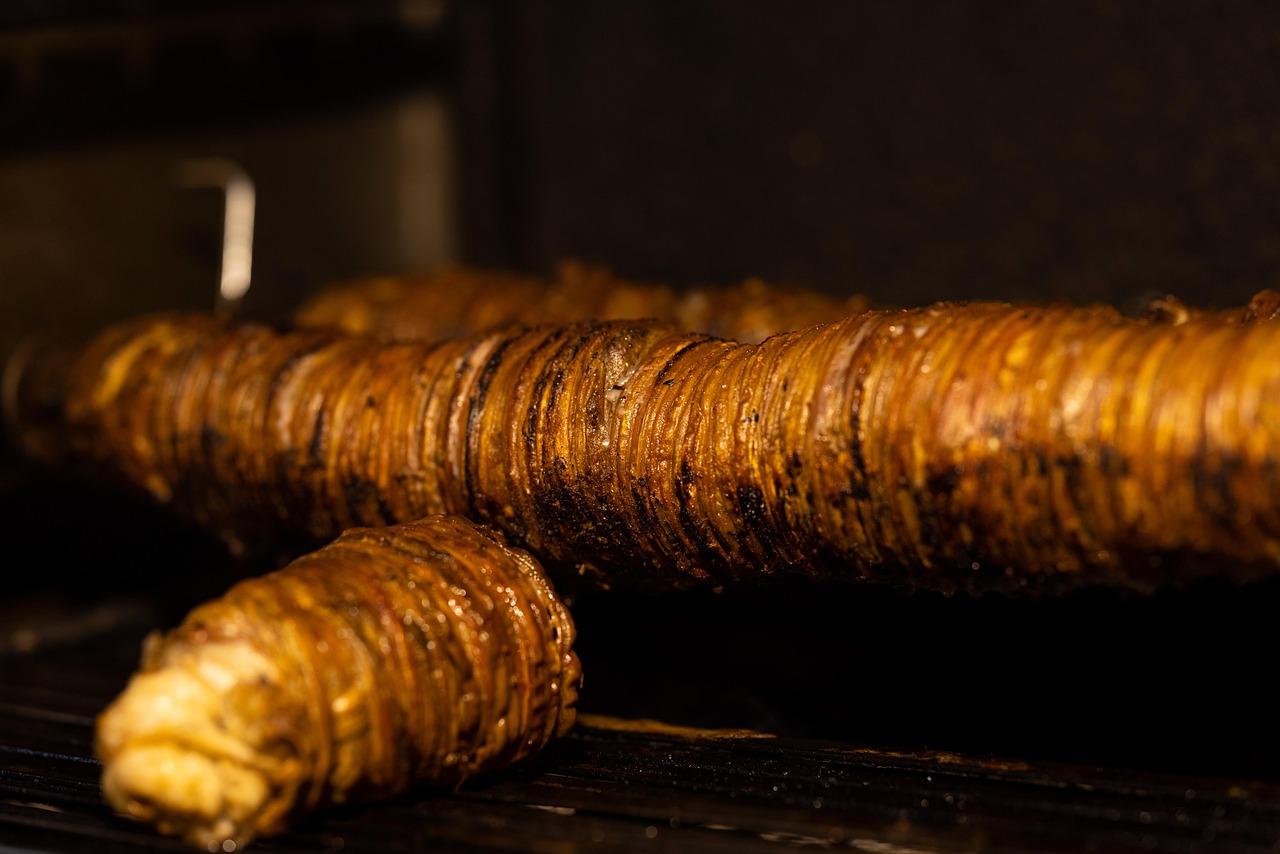
Walk down a night market in Bangkok, a plaza in Mexico City, or a side street in Berlin and you’ll spot the shift. Vendors who once relied on the sizzle of meat are now crafting bold, plant based dishes that hit just as hard. Think jackfruit tacos, banana blossom curry, and grilled tofu skewers with spice blends that don’t hold back. Vegan street food isn’t a trend it’s a counterculture with real momentum.
On the other end of the dining spectrum, white tablecloth restaurants are ditching lab grown drama for whole foods and sustainable elegance. High end chefs are getting serious about sourcing, plating, and innovating with roots, grains, and greens. In place of butter and beef, they’re working magic with fermented elements, smoked vegetables, and umami heavy broths. Every detail is intentional, from the quiet crunch of pickled lotus root to the floral aroma of lemongrass foam.
For many chefs, it’s not about mimicking meat anymore. It’s about building a full sensory experience flavor, texture, color, scent that stands on its own. The goal? Make diners forget what’s missing. And more often than not, they do.
Home Cooks Are Catching On
More people are cooking at home and they’re keeping it simple. Lighter plant based dishes are front and center in meal planning, built around fresh produce, quick prep, and meals that feel good without sacrificing flavor. We’re talking soups that don’t simmer for hours, sheet pan veggies with lentils, minimal ingredient pastas, and grain bowls loaded with color.
At the same time, batch cooking has become more than a Sunday ritual it’s a strategy. People are planning meals that last, cut down on food waste, and stretch across a few days. Pair that with zero waste habits like reusing veggie scraps, composting, and skipping plastic, and you’ve got a new kind of kitchen ethic. It’s practical. It’s conscious. And for many, it starts with going more plant forward.
This doesn’t mean boring. Creativity thrives when cooking with constraints. Start exploring fresh and easy ideas here: light plant meals.
The Power of Social Influence
The plant based movement isn’t just being led by chefs and brands it’s being amplified by creators behind the camera. TikTok, YouTube, and Instagram have become unofficial test kitchens, with food vloggers turning recipe ideas into global trends overnight. A single video showing how to make creamy cashew mac and cheese or jackfruit tacos can rack up millions of views in a weekend and spark thousands of recreations.
It’s not just about aesthetics, though the plates are certainly camera ready. These videos are breaking down plant based eating into what works in a real kitchen: simple swaps, budget meals, quick tips. What used to be niche or intimidating tempeh, lentil loaves, tofu marinades is now routine thanks to influencers who make it approachable.
Cross border cook alongs have also become common. A creator in Nairobi might help viewers in Toronto master East African greens, while someone in Seoul posts a vegan twist on traditional banchan that picks up traction in São Paulo. The barriers are fading, replaced by a global pantry and shared appetite.
This swirl of content, personality, and shared experience is quietly reshaping the perception of plant based food. It’s not just healthy. It’s not just ethical. It’s normal. And the camera in millions of kitchens is partly why.
Future of the Plate
Plant based cuisine is entering its most exciting phase yet where science, culture, and consumer demand intersect to reshape what’s on our plates. This isn’t just a health movement anymore; it’s a global culinary evolution.
Cutting Edge Ingredients Leading the Charge
Food innovation is at the forefront of the next chapter in plant based cuisine. Scientists, startups, and chefs are working together to reimagine protein and flavor from unexpected sources:
Pea Based Meats: These protein rich alternatives deliver meaty texture and taste without soy, making them attractive to allergen sensitive consumers.
Cultured Proteins: Lab grown ingredients that replicate animal textures with lower environmental footprints.
Seaweed: Not just for sushi anymore seaweed is being used in burgers, snacks, and even as natural flavor enhancers for plant based broths.
Affordability and Accessibility on the Rise
What used to be a luxury or niche lifestyle is becoming increasingly democratic:
More startups and major food retailers are entering the market, reducing prices through competition.
Governments and international organizations are beginning to prioritize sustainable diets, especially in urban areas of developing nations.
Community based programs and local entrepreneurs are making plant based foods accessible in traditionally underserved areas.
No Longer a Niche
The global shift toward a plant based diet is undeniable and irreversible:
Supermarkets now dedicate full sections to plant based products.
Mainstream fast food and casual dining chains are permanently adding vegan options.
Consumers no longer see plant based as “alternative” it’s simply one more delicious and sustainable choice.
Plant based eating isn’t a trend. It’s a reflection of what diners expect going forward: flavor, affordability, and responsibility on every plate, everywhere.
 Veslina Veythorne has opinions about delicious recipe ideas. Informed ones, backed by real experience — but opinions nonetheless, and they doesn't try to disguise them as neutral observation. They thinks a lot of what gets written about Delicious Recipe Ideas, Food Reviews and Recommendations, Cooking Tips and Techniques is either too cautious to be useful or too confident to be credible, and they's work tends to sit deliberately in the space between those two failure modes.
Reading Veslina's pieces, you get the sense of someone who has thought about this stuff seriously and arrived at actual conclusions — not just collected a range of perspectives and declined to pick one. That can be uncomfortable when they lands on something you disagree with. It's also why the writing is worth engaging with. Veslina isn't interested in telling people what they want to hear. They is interested in telling them what they actually thinks, with enough reasoning behind it that you can push back if you want to. That kind of intellectual honesty is rarer than it should be.
What Veslina is best at is the moment when a familiar topic reveals something unexpected — when the conventional wisdom turns out to be slightly off, or when a small shift in framing changes everything. They finds those moments consistently, which is why they's work tends to generate real discussion rather than just passive agreement.
Veslina Veythorne has opinions about delicious recipe ideas. Informed ones, backed by real experience — but opinions nonetheless, and they doesn't try to disguise them as neutral observation. They thinks a lot of what gets written about Delicious Recipe Ideas, Food Reviews and Recommendations, Cooking Tips and Techniques is either too cautious to be useful or too confident to be credible, and they's work tends to sit deliberately in the space between those two failure modes.
Reading Veslina's pieces, you get the sense of someone who has thought about this stuff seriously and arrived at actual conclusions — not just collected a range of perspectives and declined to pick one. That can be uncomfortable when they lands on something you disagree with. It's also why the writing is worth engaging with. Veslina isn't interested in telling people what they want to hear. They is interested in telling them what they actually thinks, with enough reasoning behind it that you can push back if you want to. That kind of intellectual honesty is rarer than it should be.
What Veslina is best at is the moment when a familiar topic reveals something unexpected — when the conventional wisdom turns out to be slightly off, or when a small shift in framing changes everything. They finds those moments consistently, which is why they's work tends to generate real discussion rather than just passive agreement.