
Why Planning Ahead Saves Money (and Sanity)
A well thought out meal plan makes a big difference. It slashes impulse buys those last minute snacks or expensive takeout runs when dinner isn’t figured out. When every meal has a purpose, fewer groceries end up unused and tossed by the end of the week.
Planning also trims down your grocery list. You know what you need, and only that. No wandering the aisles guessing. This means shopping gets quicker, and your total at the register stays lean.
Best part? Everyone eats. You can plan meals that actually match your family’s preferences and dietary needs. No more frustrated guesswork or mid week pizza orders. It’s about getting dinner on the table without draining your wallet or your energy.
Smart Budget Tips for the Week
Grocery bills don’t have to spiral if you plan smart. Start by shopping seasonal and local. In season produce is not only cheaper, it’s fresher and usually more flavorful. Local markets or farm stands often beat big box prices, especially for fruits and vegetables.
Next, think in doubles. That onion you chopped for Monday’s stir fry? Use the rest in Wednesday’s soup. Buying ingredients that play more than one role across the week saves money and reduces waste. You’re basically prepping for two meals at once, which also means less time cooking.
Leftovers aren’t just reheated meals they’re base ingredients. Roast extra chicken on Day 1 and it becomes stir fry protein for Day 3. Make a double batch of cooked rice and reuse it in a totally different meal. One effort, two payoffs.
And don’t forget your pantry powerhouses. Rice, beans, and pasta are cheap, versatile, and stick to your ribs. They pair with just about anything and stretch smaller servings of meat or veggies. Keep your pantry stocked and you’ll always have a backup when plans shift or ingredients run low.
Day 3 Stir Fried Rice With Leftover Chicken
Leftover chicken from Day 1? This is where it gets a second life. Toss it into a hot pan with cold rice (day old is best), a drizzle of oil, and whatever you’ve got on hand frozen peas, diced carrots, chopped onions, even a last stray egg or two. Quick stir fry until everything’s heated through and golden in spots. A dash of soy sauce or a splash of sesame oil helps bring it all together.
This meal is fast, flexible, and doesn’t feel like a repeat. Bonus: it clears out the fridge and pulls double duty on your ingredients. If your veggie drawer is nearly empty, no big deal this dish doesn’t demand much to hit the mark.
Make Ahead & Meal Prep Tricks
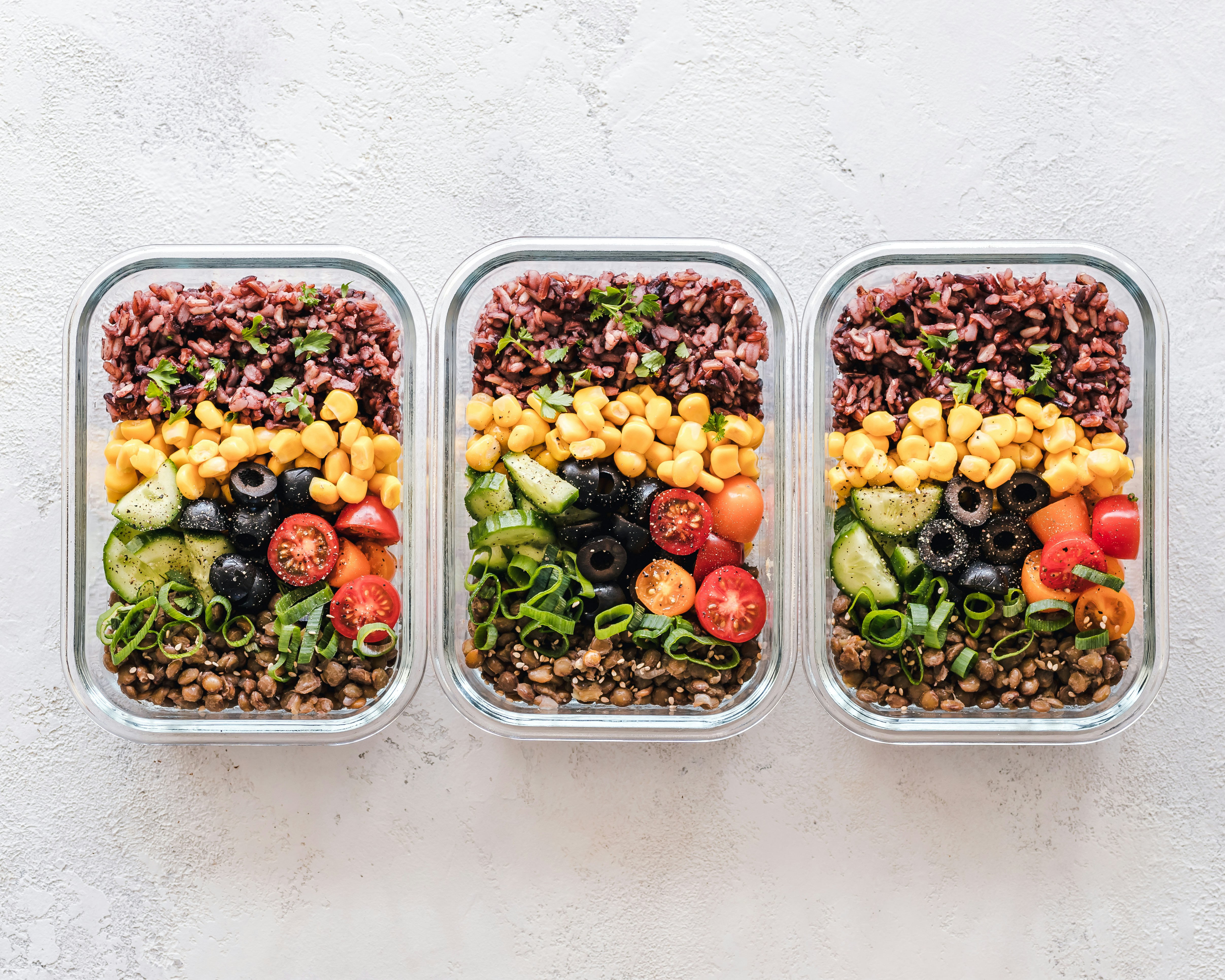
Time spent prepping on Sunday saves hours (and headaches) during the week. Start with batch chopping your vegetables think onions, bell peppers, carrots, and broccoli. Store them in airtight containers or reusable bags in the fridge. Not only does this cut down weekday dinner time, it also helps you spot what needs to get used up before it spoils.
Next, cook up a batch of grains like rice or quinoa. These staples serve as the base for multiple meals from stir fries to soups to quick lunch bowls. Grains store well in both the fridge and freezer, so go big.
Finally, lean into storage hacks. Keep herbs fresh by wrapping them in damp paper towels inside a bag. Store greens with a paper towel to absorb extra moisture. And if you’re slicing fruits, a splash of lemon or vinegar based dressing keeps them from browning too soon. These small moves stretch shelf life and keep produce crisp until you’re ready to cook.
Meal planning isn’t about perfection it’s about having options. That’s why it helps to have a few reliable backups ready to go. Check out this roundup of weekly easy meals to plug into your plan when life gets busy or the fridge runs low. These recipes are simple to make, flexible to fit whatever you’ve got on hand, and still budget friendly. Keep a few of them saved or bookmarked you’ll thank yourself on Wednesday night when motivation is running low.
Keep It Flexible
Meal plans should work for you not the other way around. Life happens. Plans shift. Sometimes Tuesday’s dinner makes more sense on Thursday. That’s fine. The trick isn’t to follow a plan perfectly, but to have a structure that bends with your week.
Use what’s already in your fridge before buying more. Swap meals around. If you’re tired or short on time one evening, skip the lentil soup and do grilled cheese instead. Catch up with the plan later in the week or rework it altogether. Flexibility keeps you from burning out and from wasting food.
Ultimately, a meal plan is just a roadmap. A guide. It’s there to make things easier, not to box you in. Adapt as needed, and keep it simple.
Final Pro Tip
Print it, pin it to the fridge, or save it to your notes app just make sure your meal plan is somewhere you’ll actually use it. Don’t worry about nailing it perfectly every week. The trick is to tweak as you go: keep what worked, skip what didn’t, and slowly build out your own go to recipe bank that fits your vibe, your budget, and your schedule.
Need fresh ideas? Check out these weekly easy meals that hit the sweet spot between simple, affordable, and tasty. It’s all about giving yourself options without overcomplicating dinner.
 Veslina Veythorne has opinions about delicious recipe ideas. Informed ones, backed by real experience — but opinions nonetheless, and they doesn't try to disguise them as neutral observation. They thinks a lot of what gets written about Delicious Recipe Ideas, Food Reviews and Recommendations, Cooking Tips and Techniques is either too cautious to be useful or too confident to be credible, and they's work tends to sit deliberately in the space between those two failure modes.
Reading Veslina's pieces, you get the sense of someone who has thought about this stuff seriously and arrived at actual conclusions — not just collected a range of perspectives and declined to pick one. That can be uncomfortable when they lands on something you disagree with. It's also why the writing is worth engaging with. Veslina isn't interested in telling people what they want to hear. They is interested in telling them what they actually thinks, with enough reasoning behind it that you can push back if you want to. That kind of intellectual honesty is rarer than it should be.
What Veslina is best at is the moment when a familiar topic reveals something unexpected — when the conventional wisdom turns out to be slightly off, or when a small shift in framing changes everything. They finds those moments consistently, which is why they's work tends to generate real discussion rather than just passive agreement.
Veslina Veythorne has opinions about delicious recipe ideas. Informed ones, backed by real experience — but opinions nonetheless, and they doesn't try to disguise them as neutral observation. They thinks a lot of what gets written about Delicious Recipe Ideas, Food Reviews and Recommendations, Cooking Tips and Techniques is either too cautious to be useful or too confident to be credible, and they's work tends to sit deliberately in the space between those two failure modes.
Reading Veslina's pieces, you get the sense of someone who has thought about this stuff seriously and arrived at actual conclusions — not just collected a range of perspectives and declined to pick one. That can be uncomfortable when they lands on something you disagree with. It's also why the writing is worth engaging with. Veslina isn't interested in telling people what they want to hear. They is interested in telling them what they actually thinks, with enough reasoning behind it that you can push back if you want to. That kind of intellectual honesty is rarer than it should be.
What Veslina is best at is the moment when a familiar topic reveals something unexpected — when the conventional wisdom turns out to be slightly off, or when a small shift in framing changes everything. They finds those moments consistently, which is why they's work tends to generate real discussion rather than just passive agreement.